Departments
 Departments
Departments
Departments

 SlowSip

New to Slowsip? Create Account
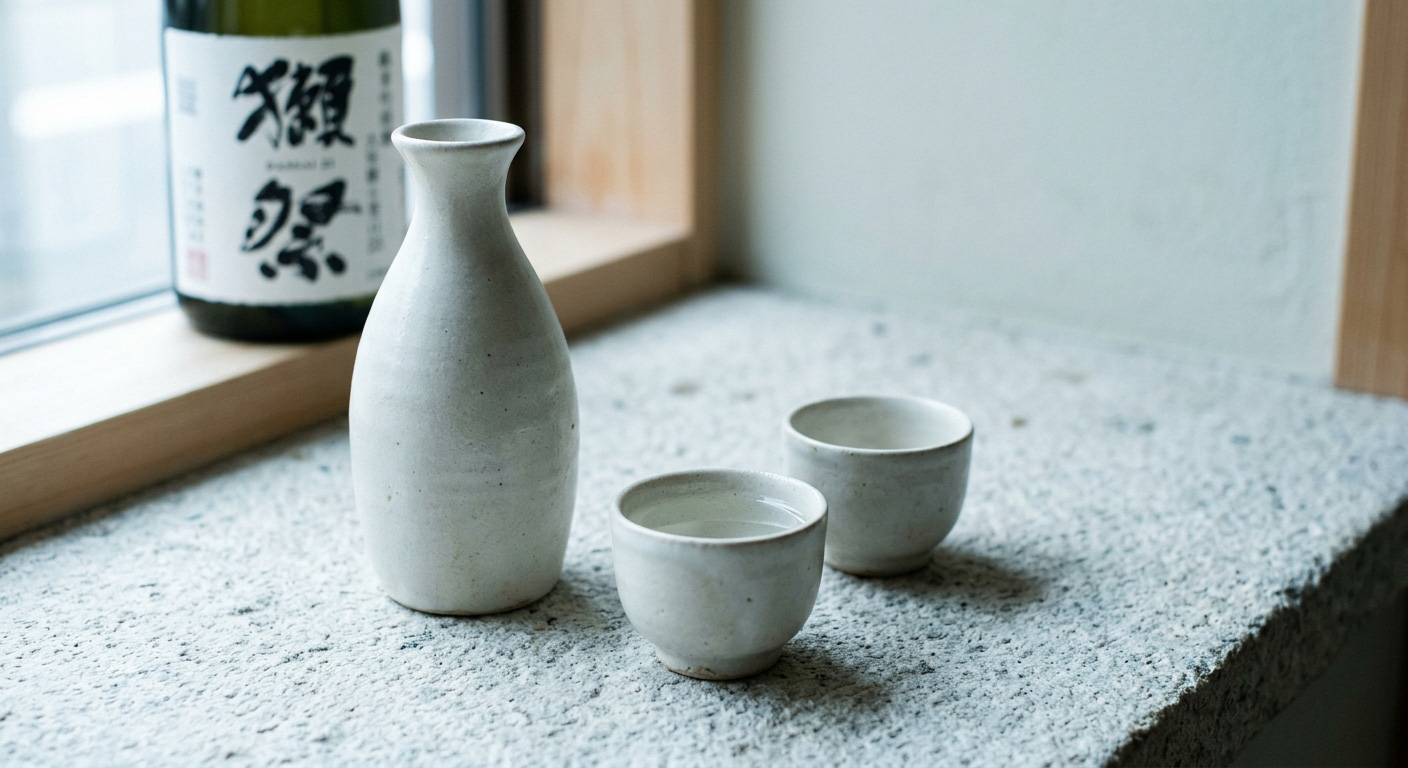
Sake is the oldest fermented alcoholic beverage in continuous production on earth. Japanese records of rice wine production date to at least the third century, and the drink has been central to Japanese culture, ritual, and cuisine for longer than most of the wine regions that dominate the global drinks conversation have existed. It is made from four ingredients — rice, water, yeast, and koji (a mould used to convert rice starch into fermentable sugars) — and it is produced through a brewing process that is, in technical terms, more similar to beer than to wine. The flavour it produces resembles neither.
The problem is that sake's introduction to the UK has been primarily through the medium of the restaurant sake list — a warm, undistinguished, often anonymous liquid served in a small heated flask that represents roughly the same relationship to premium sake as house red in a carafe represents to a serious Burgundy. It is not the drink's fault. It is the context. The category has spent twenty years being defined by its worst examples in the most unflattering serving conditions.
What the serious bottles in the SlowSip catalogue represent is something entirely different: cold-served, high-grade sake from Japan's most respected breweries, produced with a precision and care that the thimble-glass version gives no indication of. Understanding why requires understanding the classification system.

Pure rice sake — no added alcohol, no minimum polishing ratio requirement. The 'Junmai' designation guarantees that the sake is made exclusively from rice, water, yeast, and koji. Tends to be fuller-bodied and more savoury than other grades.
Rice polished to at least 60% (40% removed). Brewed at lower temperatures using special yeasts, producing a more delicate, fruity, and aromatic sake. Can include a small amount of added distilled alcohol (brewer's alcohol, added for aroma rather than strength).
Rice polished to at least 50% (50% removed). The premium grade — the most delicate, refined, and complex expressions. Can also include a small amount of added alcohol. Junmai Daiginjo (pure rice Daiginjo) uses no added alcohol at all.
'Special' — a designation applied to Junmai or Honjozo sake that exceeds standard requirements, either through higher polishing or special brewing methods.
The polishing ratio is the most important number to understand. Dassai 23 — the brewery's flagship expression — has its rice polished to 23% of its original size, meaning 77% of the grain is removed before brewing. This extreme milling concentrates the starch at the centre of the grain (where the flavour-producing compounds are most pure) and removes the outer layers (which contain proteins and fats that can produce off-flavours). The result is a sake of extraordinary delicacy and precision. It also explains why premium sake is expensive: the milling process reduces the amount of fermentable rice dramatically, and the process takes days rather than hours.
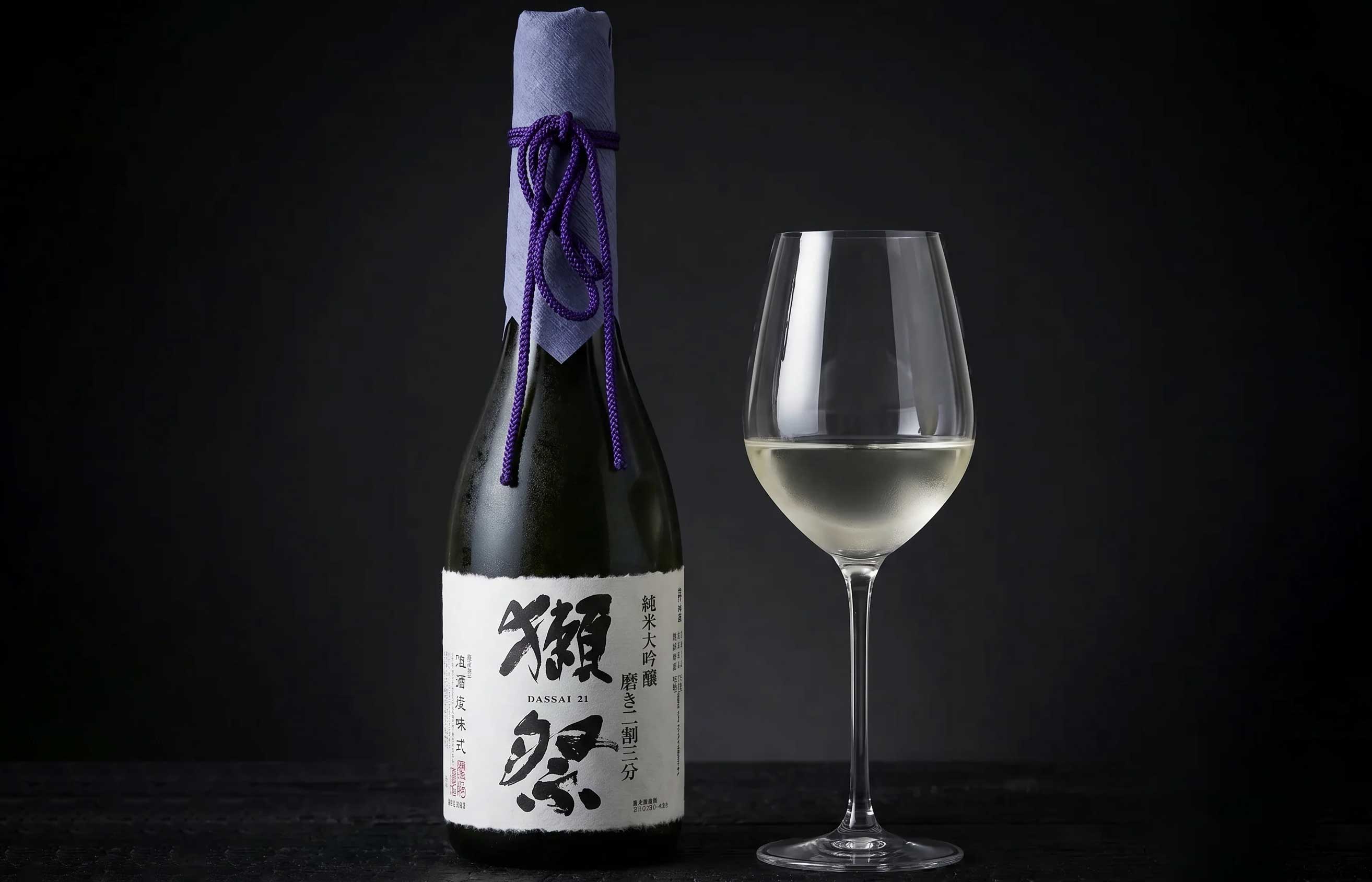
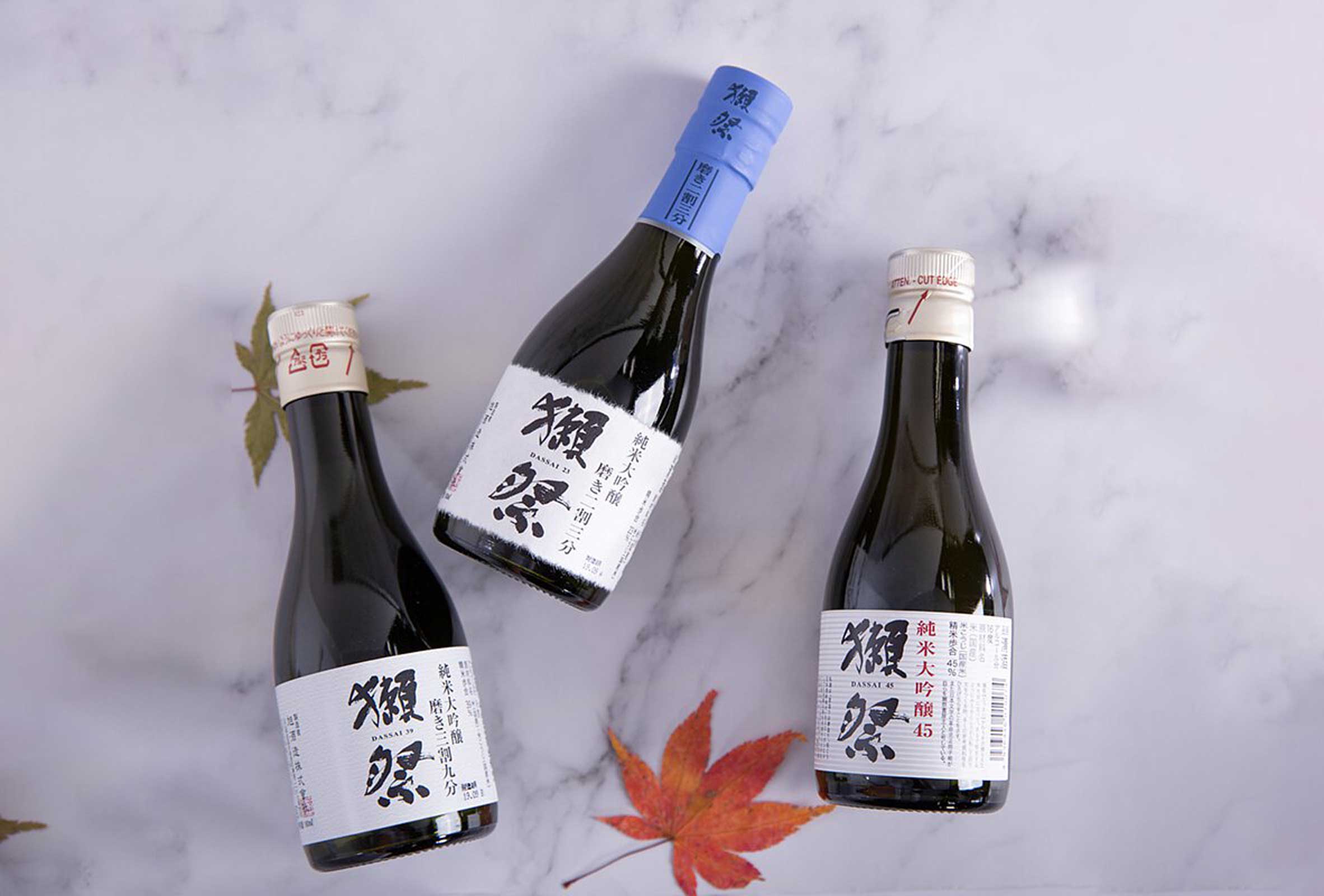
Dassai is the sake brewery most responsible for the premium category's growth in international markets. Founded in Yamaguchi Prefecture in western Japan, the Asahi Shuzo brewery has spent three decades making the argument that sake deserves the same serious attention as fine wine and premium spirits — not as a cultural curiosity but as a drink of genuine quality. The Dassai range is built around the polishing ratio as the primary differentiator: Dassai 45 (polished to 45%), Dassai 39 (39%), and the flagship Dassai 23 (23%).
Dassai 23 is the expression that most clearly communicates what extreme rice polishing can achieve. The sake is almost crystalline in its clarity — delicate, floral, with a sweetness that is refined rather than cloying and a finish of unusual length and precision. There is an elegance to it that most drinks at any price struggle to replicate. The 72cl format in the catalogue should be verified against current live pricing before publishing — the market RRP for Dassai 23 72cl is approximately £45 at UK retail. However priced, it is worth the investment for the drinker approaching sake for the first time with serious intent.
Dassai 39 — polished to 39% — is the middle expression in the range and the most useful entry point for those approaching premium sake for the first time. The 30cl format at £22 is exactly the right size for a first acquaintance: enough to explore the sake properly over a meal, not so much that an unfamiliar style becomes a commitment. Fruity, floral, with more body than the 23 and an approachability that makes it one of the more food-friendly bottles in the catalogue.
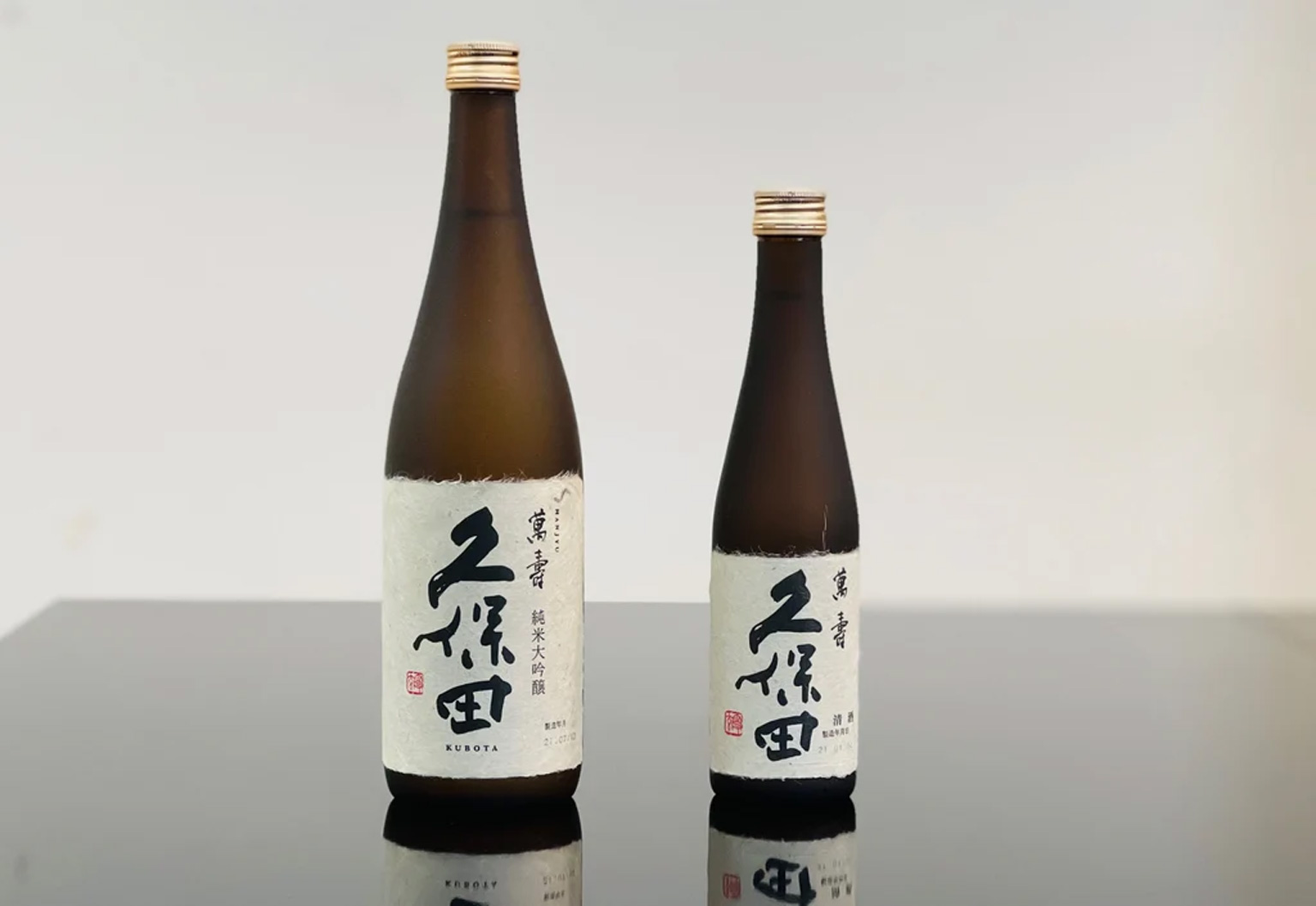
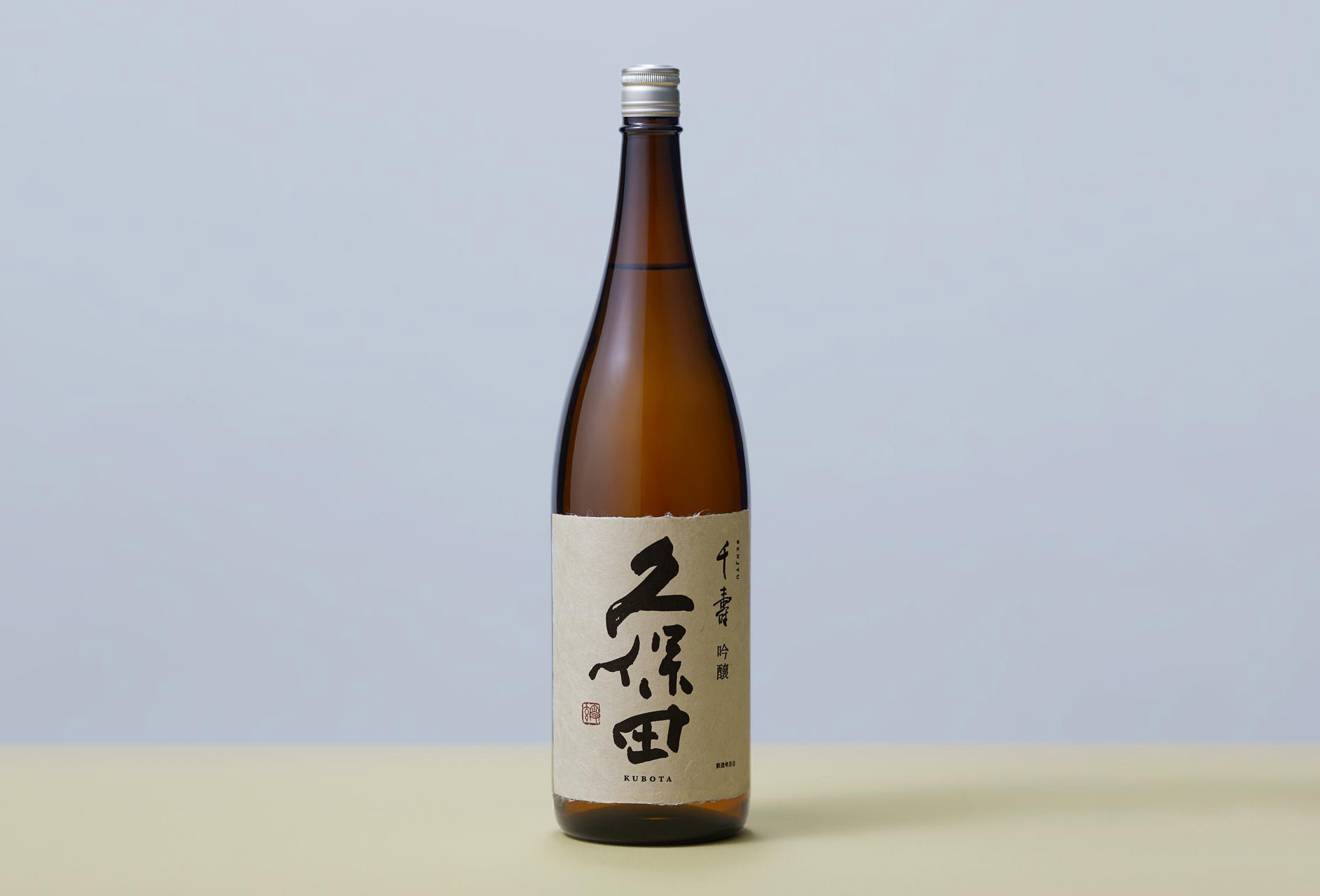
Kubota is produced by Asahi Shuzo — a different Asahi Shuzo from the Dassai brewery, a point of confusion that reflects the popularity of both names in Japanese — in Niigata Prefecture on Japan's northern coast. Niigata is the sake region most associated with the 'tanrei karakuchi' style: light, dry, and clean, with a restraint that contrasts with the more aromatic and expressive Dassai approach. Kubota's reputation has been built on consistency and elegance rather than intensity.
Kubota Manju is the brewery's premium expression — a Junmai Daiginjo sake of exceptional refinement. The Niigata style is apparent: clean, precise, with a delicacy that makes it one of the most food-friendly sakes in the catalogue. The sake pairs particularly well with white fish, shellfish, and lightly seasoned dishes where a more expressive sake would overwhelm. At £75 it is the premium anchor in the sake section and the bottle to reach for when the sake argument needs to be made at the highest level.
Kubota Senjyu ('one thousand long lives') is the more accessible expression from the house — a Ginjo-grade sake that brings the Niigata style to a more approachable price point. Dry, clean, with a subtle rice flavour and the characteristic lightness of the regional style. At £35 it is the right starting point for the Kubota range and an excellent demonstration of what good dry sake tastes like served cold alongside food.
Not all sake requires the intensity of engagement that Dassai and Kubota demand. The SlowSip catalogue includes several expressions designed for broader accessibility — sake that introduces the category without requiring immediate fluency in its classification system.
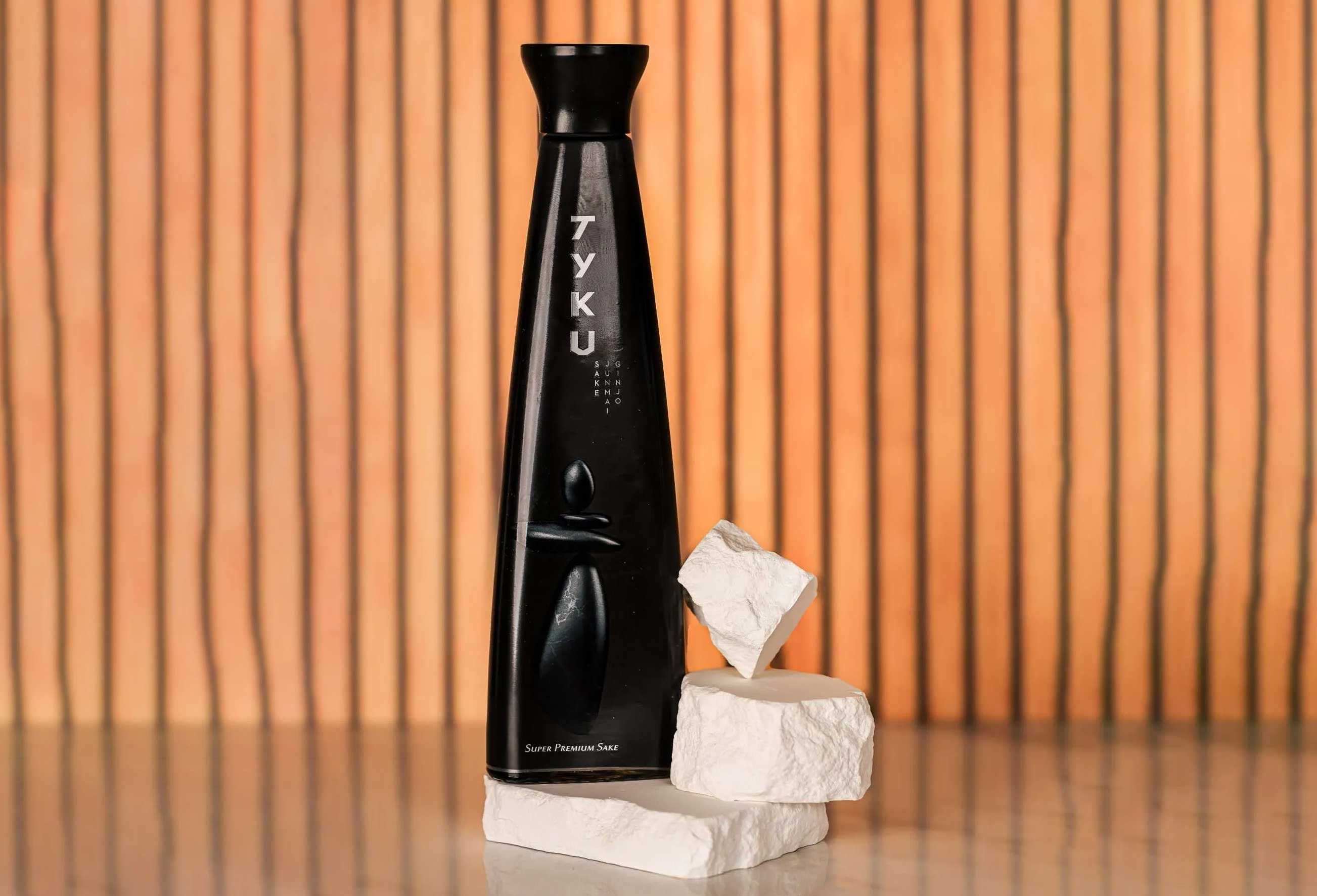
Tyku's Black Super Premium is a Junmai Daiginjo — the top grade — from a brewery that has focused its UK marketing on accessibility and approachability. The Black expression is the most refined in the range: clean, with a mild sweetness and a delicate finish that rewards cold serving. At £28 it makes the Daiginjo argument at an unusually accessible price point, and it is a useful demonstration that premium sake classification does not always correspond to premium pricing.
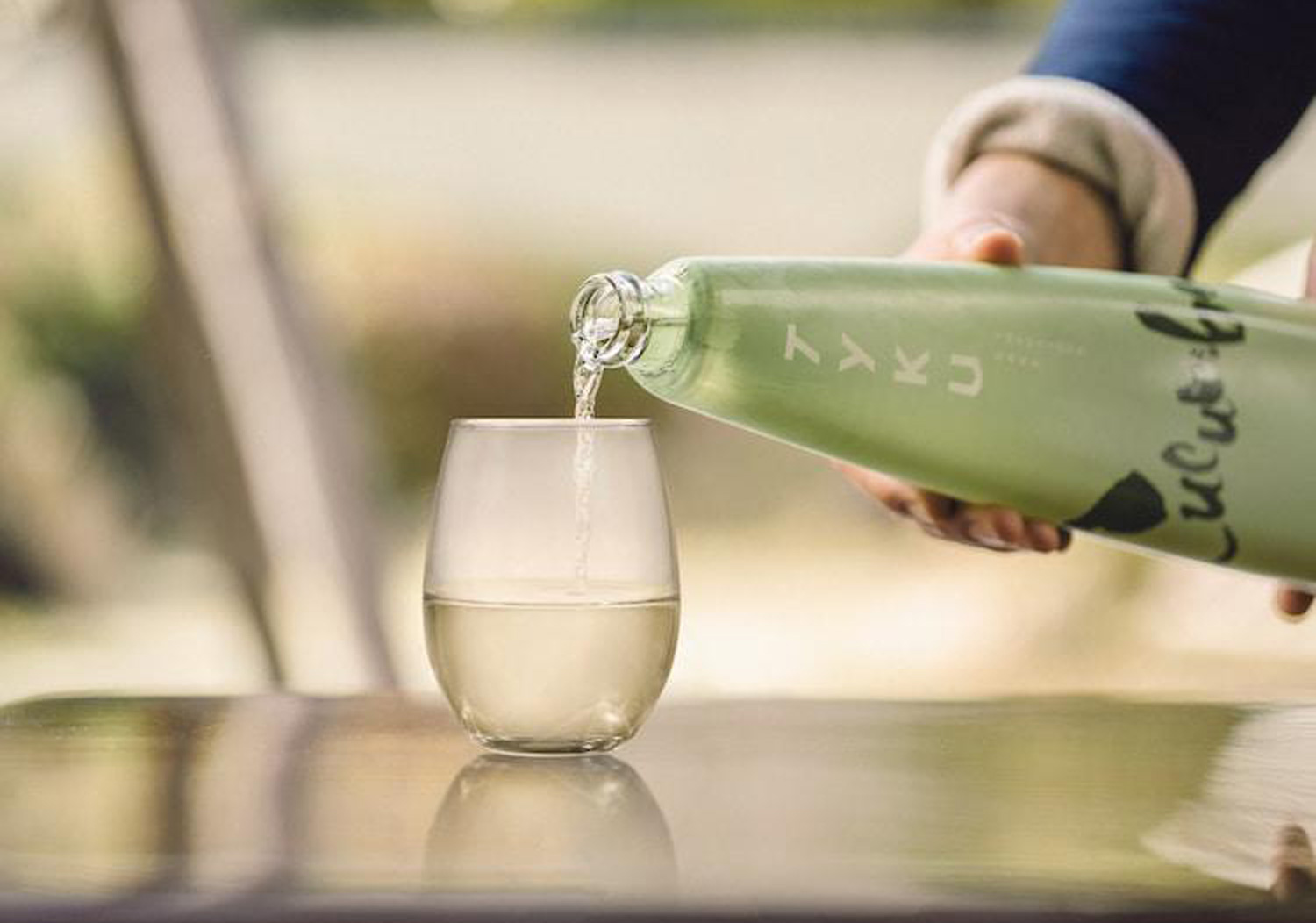
Tyku Cucumber is a Junmai sake infused with cucumber — a departure from the traditional classification system that positions it as an introduction to the category for drinkers who find unflavoured sake unfamiliar. The cucumber note is clean and fresh rather than artificial, and the sake base is well-made. At £24 it is the right bottle for the drinker who is curious about sake but not yet ready to commit to the pure expression. A gateway, used properly.
Hakutsuru is one of Japan's oldest and most respected sake breweries, founded in Nada — the premium sake-producing region of Hyogo Prefecture — in 1743. The 72cl expression is the house's accessible entry: a clean, reliable Junmai sake that delivers the category's essential character without the complexity of the premium expressions. At £13 it is the most affordable serious sake in the catalogue and the right bottle for someone who wants to understand what unpretentious, well-made sake tastes like before investing further.
The warm sake convention is not wrong — certain lower-grade sakes genuinely benefit from gentle warming, which softens their rougher edges. But premium sake — anything at Ginjo grade or above — should be served cold: between 5°C and 10°C, in a tulip-shaped wine glass rather than an ochoko, which allows the aromas to develop properly. The wine glass is not an affectation; it changes what you taste.
The food pairing potential of premium sake is one of the most underappreciated aspects of the category in the UK. The umami-rich character of Junmai sake makes it exceptionally well-matched with savoury, ingredient-led cooking — not only Japanese food, but grilled fish, aged hard cheese, charcuterie, mushroom dishes, and anything where salt and savoury depth are the primary flavour registers. Dassai 23 alongside a piece of perfectly grilled sea bass is one of the better food and drink pairings I have encountered in any category. The restraint of the sake lifts the fish; the delicacy of the fish reveals the sake's complexity. Neither is diminished.
The case for sake in 2026 is not about novelty or cultural tourism. It is the same argument that has always driven the SlowSip approach: that the best expressions of any category reward the attention of a curious drinker, and that curiosity is the only qualification required. The bottles above are the evidence.