Departments
 Departments
Departments
Departments

 SlowSip

New to Slowsip? Create Account
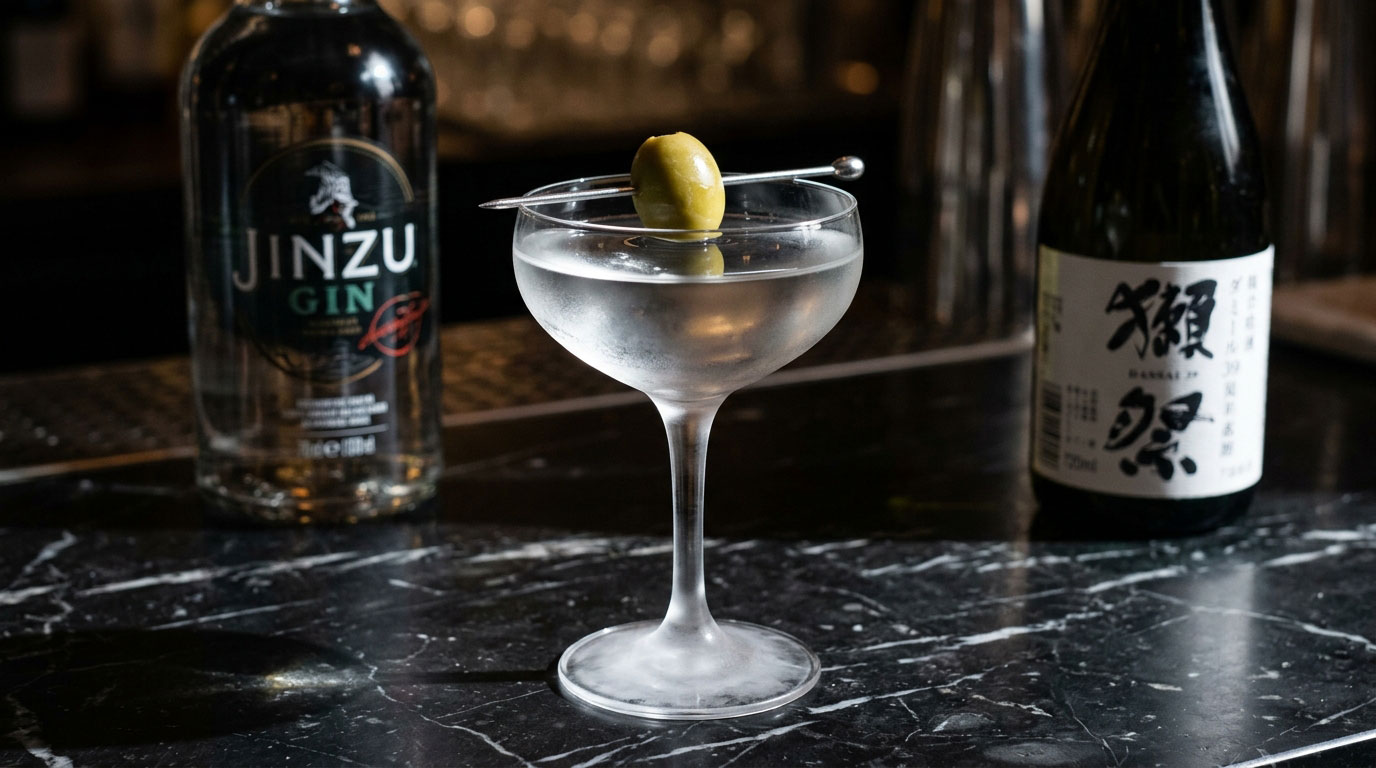
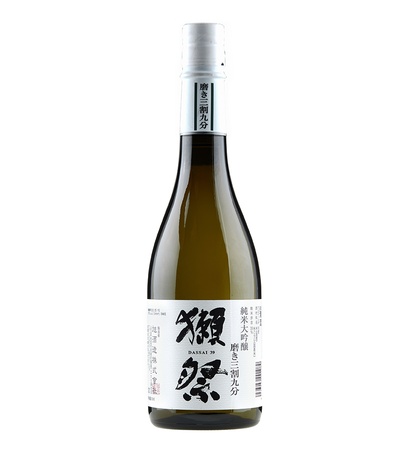
The classic Martini has two variations in the orthodox tradition: wet (more vermouth) and dry (less vermouth, approaching none at all). The sake Martini proposes a third — replacing the vermouth entirely with a high-grade Junmai Ginjo or Daiginjo, and discovering that the substitution produces something cleaner, more layered, and more interesting than the original. The technique is not new: sake Martinis have appeared on serious cocktail menus in London and Tokyo for two decades. What is new is the availability, in the UK, of the sake quality required to make the drink worth ordering. Dassai 39 changes what is possible here.
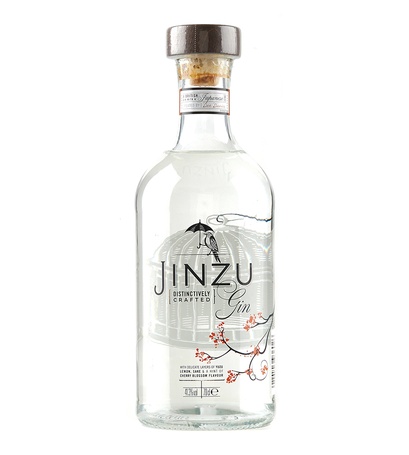
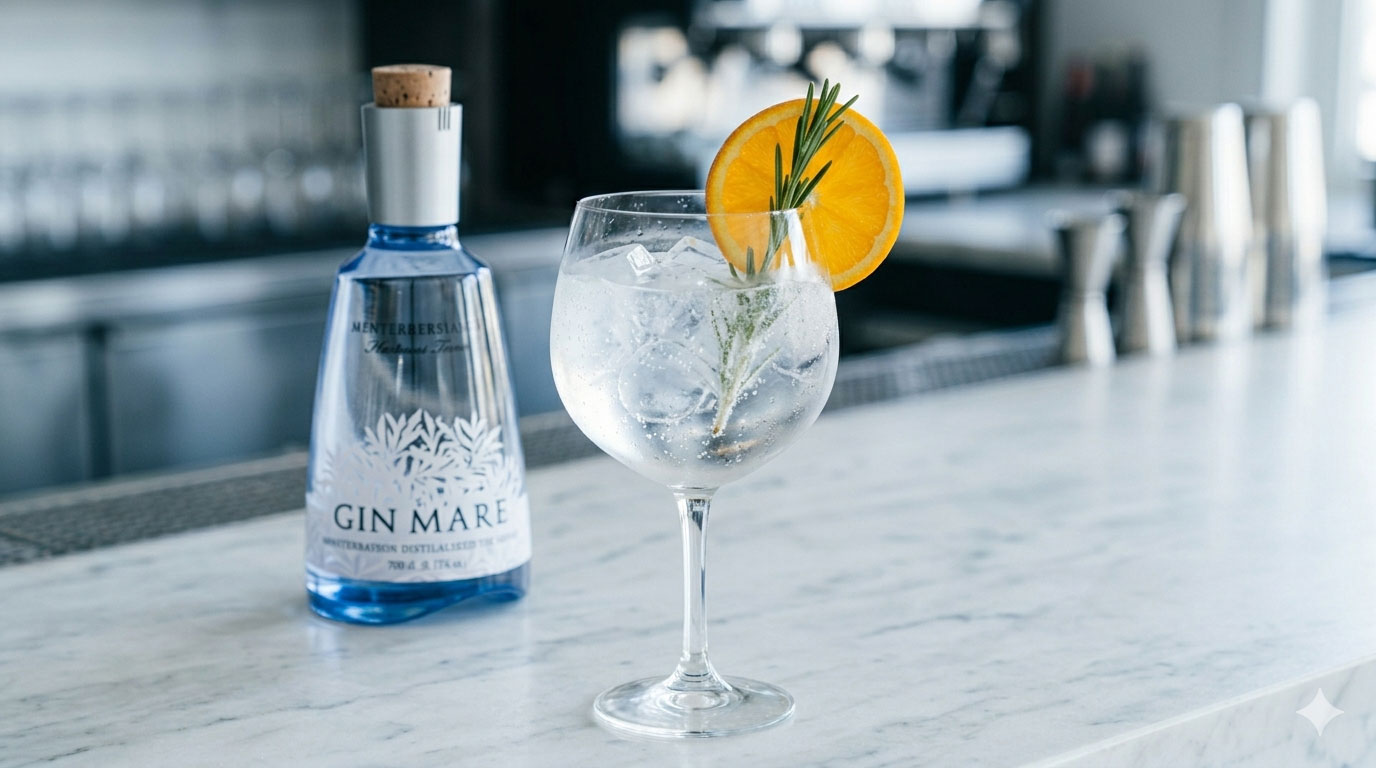
The gin choice matters as much as the sake. Jinzu — a British gin made with sake as one of its base ingredients — is the natural and editorially coherent choice: a spirit that already understands the intersection of Japanese and British distilling traditions, with a clean, slightly floral character that complements rather than fights the sake. Ki No Bi, made in Kyoto, is the premium alternative for those who want to keep the entire drink Japanese.
Place the coupe in the freezer at least ten minutes before you intend to serve. A warm glass is a ruined Martini.
Combine the gin, sake, and orange bitters in a mixing glass with a generous amount of ice. The mixing glass — not a shaker. This drink is stirred, not shaken. Shaking clouds the drink and over-dilutes it; stirring produces the clarity and texture that make a Martini worth drinking.
Stir for 30 full seconds — longer than feels comfortable. The dilution from stirring is not a flaw, it is the drink. Under-stirred Martinis are too cold and too harsh; properly stirred ones are integrated and smooth.
Remove the coupe from the freezer. Strain the drink into the glass using a Hawthorne strainer.
Garnish with a single green olive on a cocktail pick resting across the rim — or express a thin lemon twist over the surface, run it around the rim, and discard it (do not place it in the drink). Choose one garnish. The olive adds a savoury note that complements the sake's umami character. The lemon twist lifts the gin's botanicals. Both are correct. Neither is decorative.
Dassai 23 — rice polished to 23% — is the more refined and delicate expression. In a Martini, that delicacy is partially lost behind the gin's botanical character. Dassai 39, polished to 39%, has slightly more body and a more pronounced pear and rice sweetness that holds its own alongside the gin rather than disappearing into it. The 39 is the right call here. The 23 deserves a glass of its own.
Jinzu Gin was created by bartender Dee Davies in partnership with Diageo, using sake as part of its botanical base alongside cherry blossom, yuzu, and Japanese cypress. It is not a Japanese gin — it is made in the UK — but it is a gin built around an understanding of sake's character. The flavour sits between the floral complexity of a classic London Dry and the cleaner, more restrained character of Japanese spirits. Ki No Bi, made in Kyoto from Japanese botanicals and rice spirit base, is the premium alternative: more expensive, more authentically Japanese, and worth the upgrade if the occasion calls for it.