Departments
 Departments
Departments
Departments

 SlowSip

New to Slowsip? Create Account
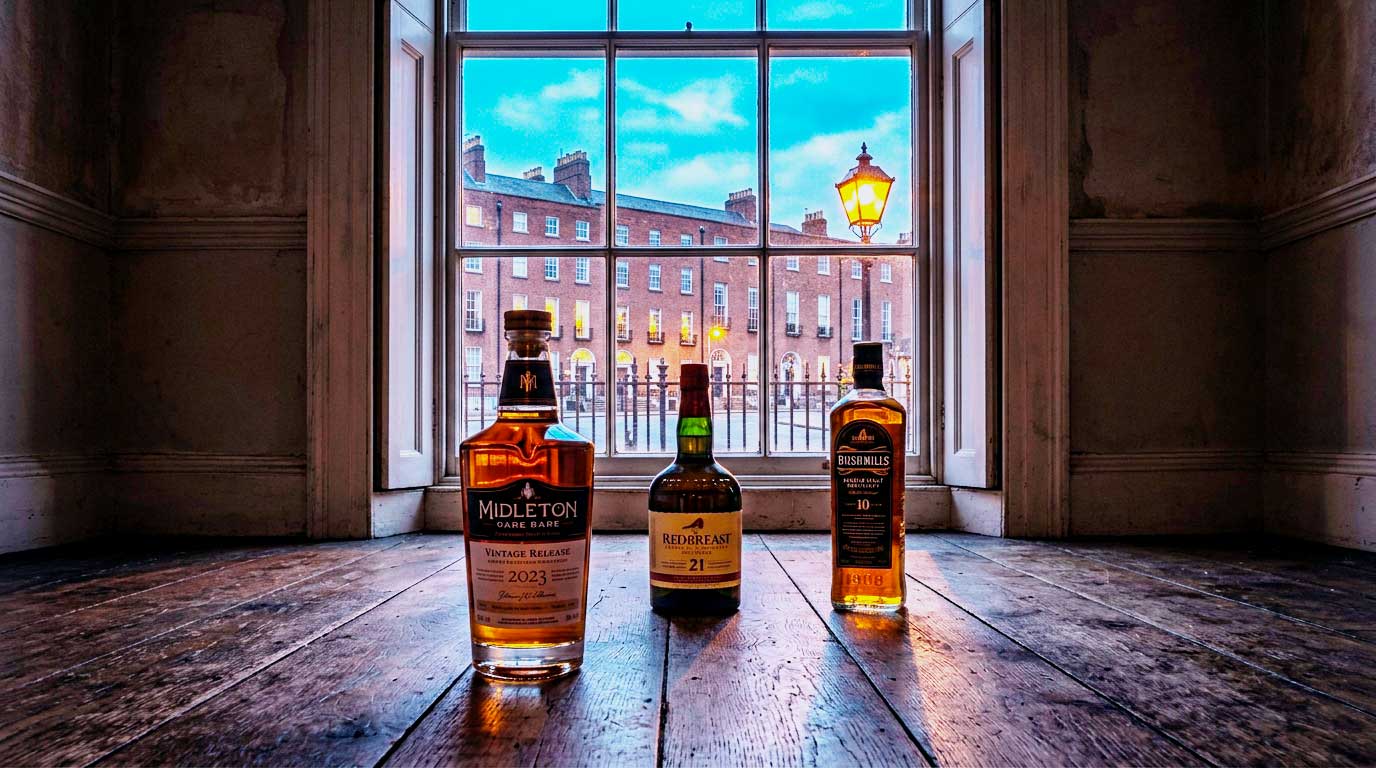
Irish whiskey has spent thirty years making the most improbable comeback in the history of spirits. In 1966, at the industry's lowest ebb, there were just two working distilleries left in the entire country — Bushmills in the north and the old Midleton complex in County Cork — after a century of decline driven by American Prohibition, the Irish War of Independence, and the collapse of the British export market that had made Irish whiskey the world's dominant spirit in the nineteenth century. By 1972 these two survivors had merged into a single company. The monopoly endured until an independent distillery, Cooley, broke the situation open in 1987.
Since then, Irish whiskey has been the fastest-growing spirits category in the world — every year since 1990, without exception. Exports have grown at an average of over 15% per annum. New distilleries have opened at a rate of roughly three per year since 2013. The category is, by any commercial measure, a significant success. What that growth has produced internationally is Jameson, which is excellent, and which has defined Irish whiskey's reputation in the same way that Glenfiddich defines Speyside — accurately as far as it goes, and limiting in its implication that the category has nothing more ambitious to offer.
It does. And the style that distinguishes Irish whiskey most clearly from every other category in the world is single pot still.
The term 'pot still' in the Irish context has a legal definition that it lacks elsewhere. In Scotland, any whisky distilled in a pot still can use the term. In Ireland, 'single pot still Irish whiskey' specifies: a whiskey made from a mash of at least 30% malted barley and at least 30% unmalted barley — both grown in Ireland — distilled in copper pot stills at a single distillery. The unmalted barley is the critical and irreplaceable distinction. No other whiskey style uses it as a primary ingredient at this proportion, and it is responsible for the characteristic that defines pot still: a specific oily creaminess, a slowly building spice, a richness of texture that arrives in the glass differently from anything Scotch or Bourbon can produce.
The style dominated Irish whiskey production throughout the nineteenth century and was nearly lost in the twentieth. Its survival is largely down to one distillery — Midleton in County Cork — and one range of expressions that has, over the past three decades, rebuilt the case for pot still as a style worth taking as seriously as the world's finest Scotch or Cognac.
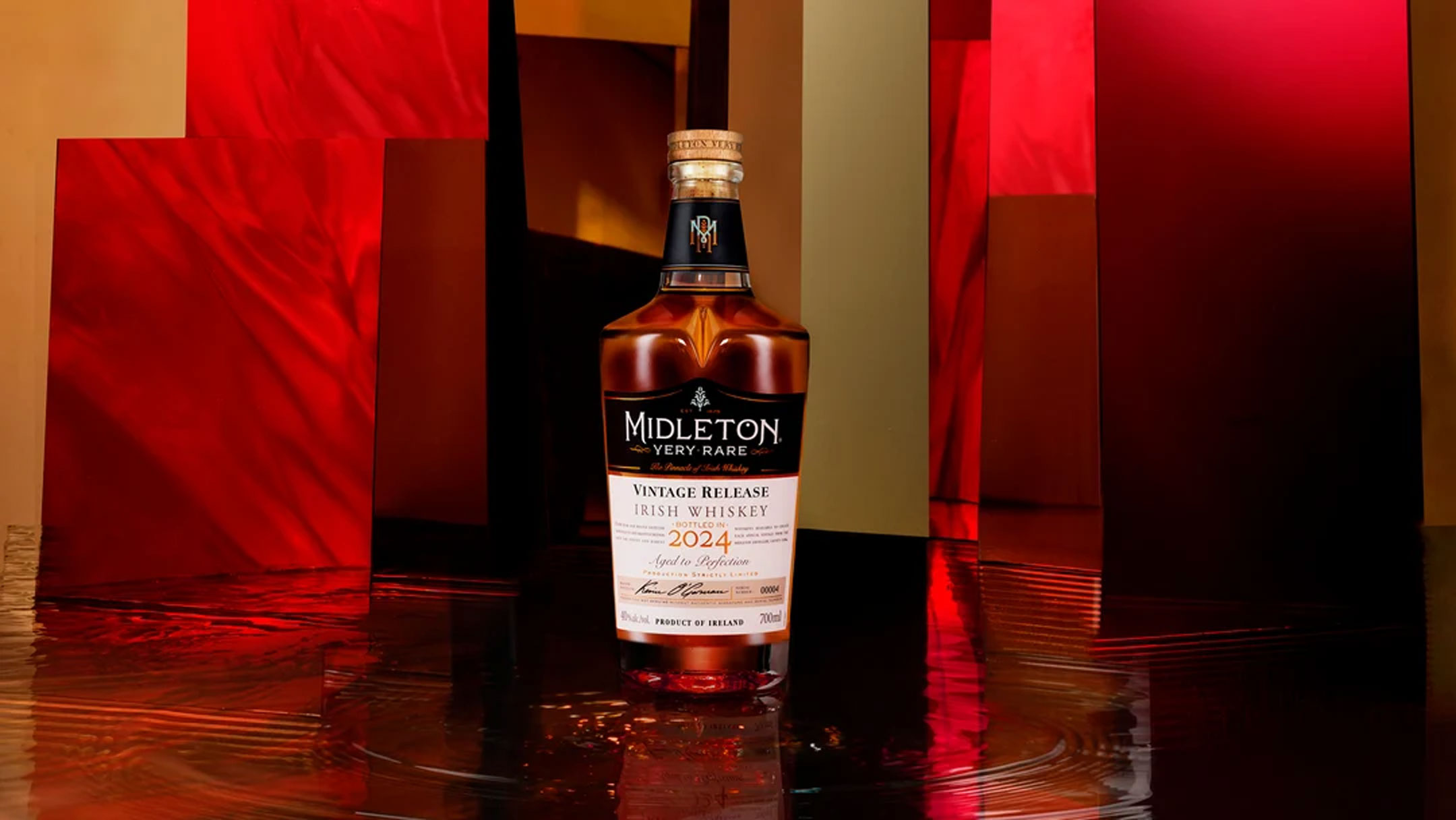
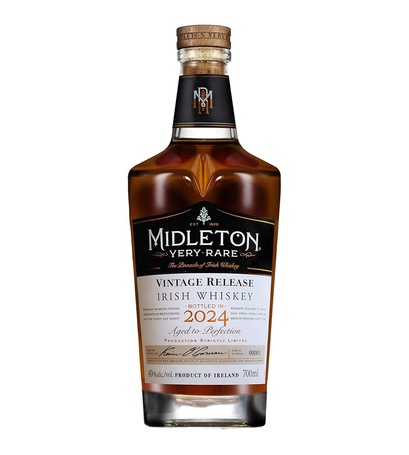
Before the distillery expressions, it is worth establishing the category's ceiling. Midleton Rare is the Irish whiskey industry's most prestigious annual release — a vintage-dated blend of the finest pot still and grain whiskeys selected by Master Distiller Brian Nation from the Midleton warehouse stocks each year. The 2026 release continues a tradition that dates to 1984 and that has, over four decades, documented the development of Irish whiskey from a category in recovery to one capable of producing expressions that merit serious critical attention alongside the world's great aged spirits.
The Midleton Rare is not a sipping whiskey to be opened casually. It is an annual release of genuinely limited production, intended for collectors and serious drinkers who want to understand what the Irish pot still style looks like at its most ambitious. Each vintage carries the character of the specific combination of casks selected by the distillery's blending team — in practice this means a whiskey of considerable age, complexity, and refinement that develops significantly over the course of an evening. At £200 it occupies the same territory as premium aged Scotch, XO Cognac, and Reserva tequila, and the comparison holds in both directions. The Midleton Rare is an argument that Irish whiskey has a prestige tier that earns its position.
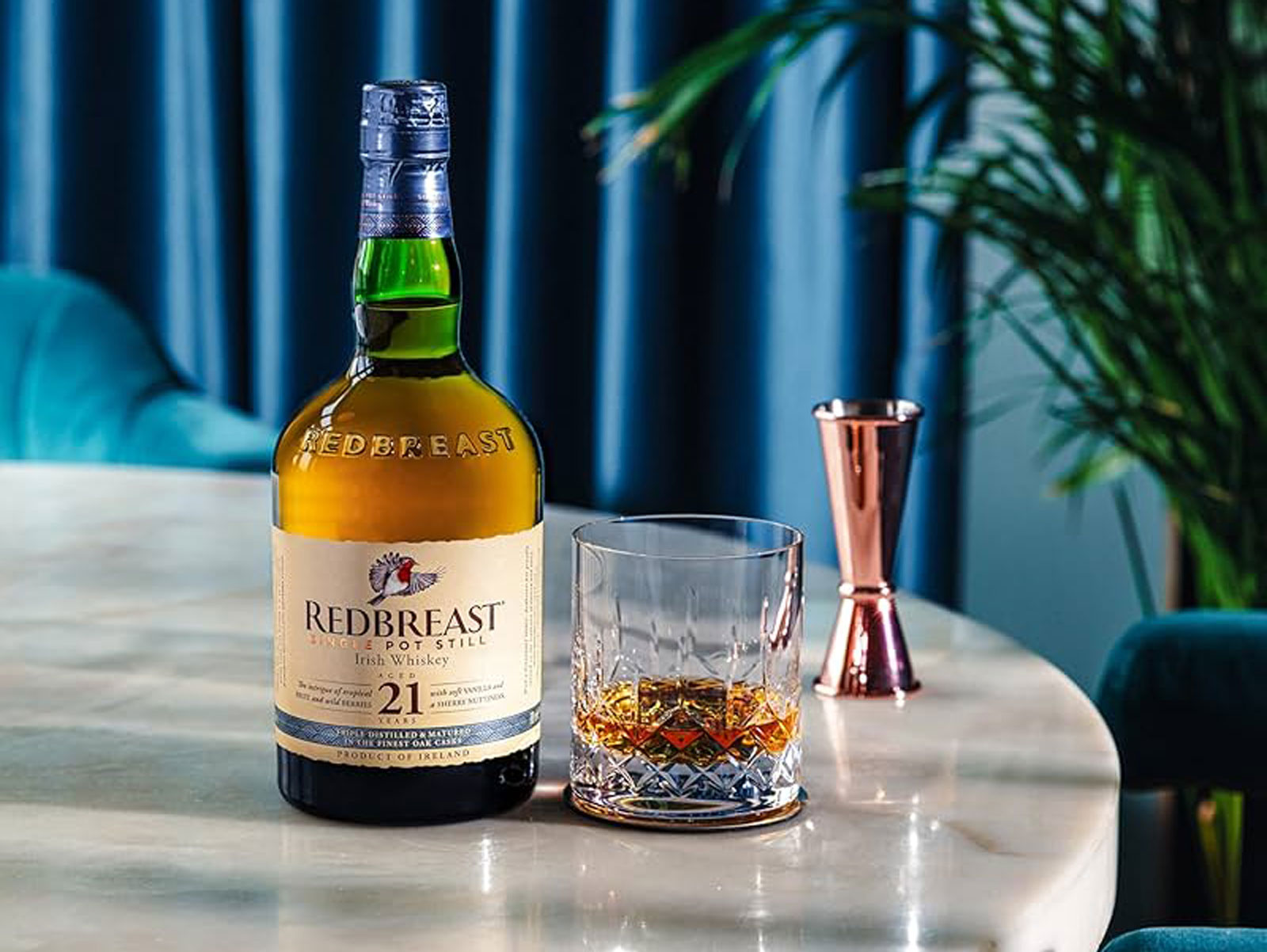
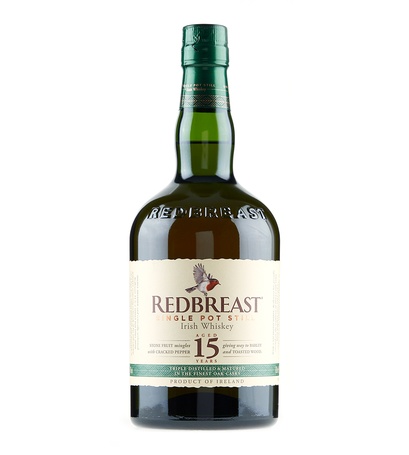
Redbreast is the pot still expression that most serious whiskey drinkers encounter first, and the range that most convincingly communicates what the style is capable of across a full spectrum of age and complexity. Produced at Midleton Distillery and matured in a combination of bourbon barrels and Oloroso sherry casks, Redbreast has been made continuously since 1912 and is now the benchmark against which other pot still expressions are measured.
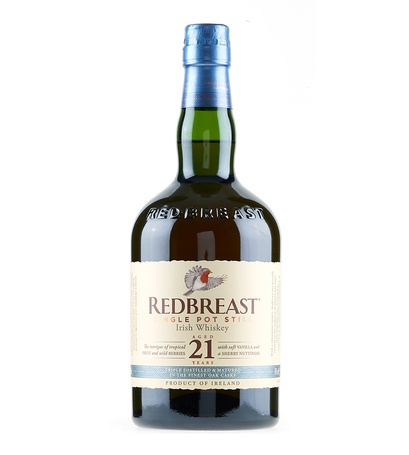
The Redbreast 21 Year Old is the finest expression in a range that is already one of the most consistently excellent in Irish whiskey. Twenty-one years in a combination of bourbon and first-fill Oloroso sherry casks have produced a whiskey of extraordinary depth: tropical fruit, deep spice, a dried fruit sweetness from the sherry influence, and a finish that develops and evolves for several minutes after the glass is set down. It is the expression that most clearly makes the argument for pot still at the prestige level — a whiskey that rewards the same careful attention as a great Armagnac or a mature Speyside. At its corrected RRP it represents serious and defensible value against single malts and aged spirits of comparable quality.
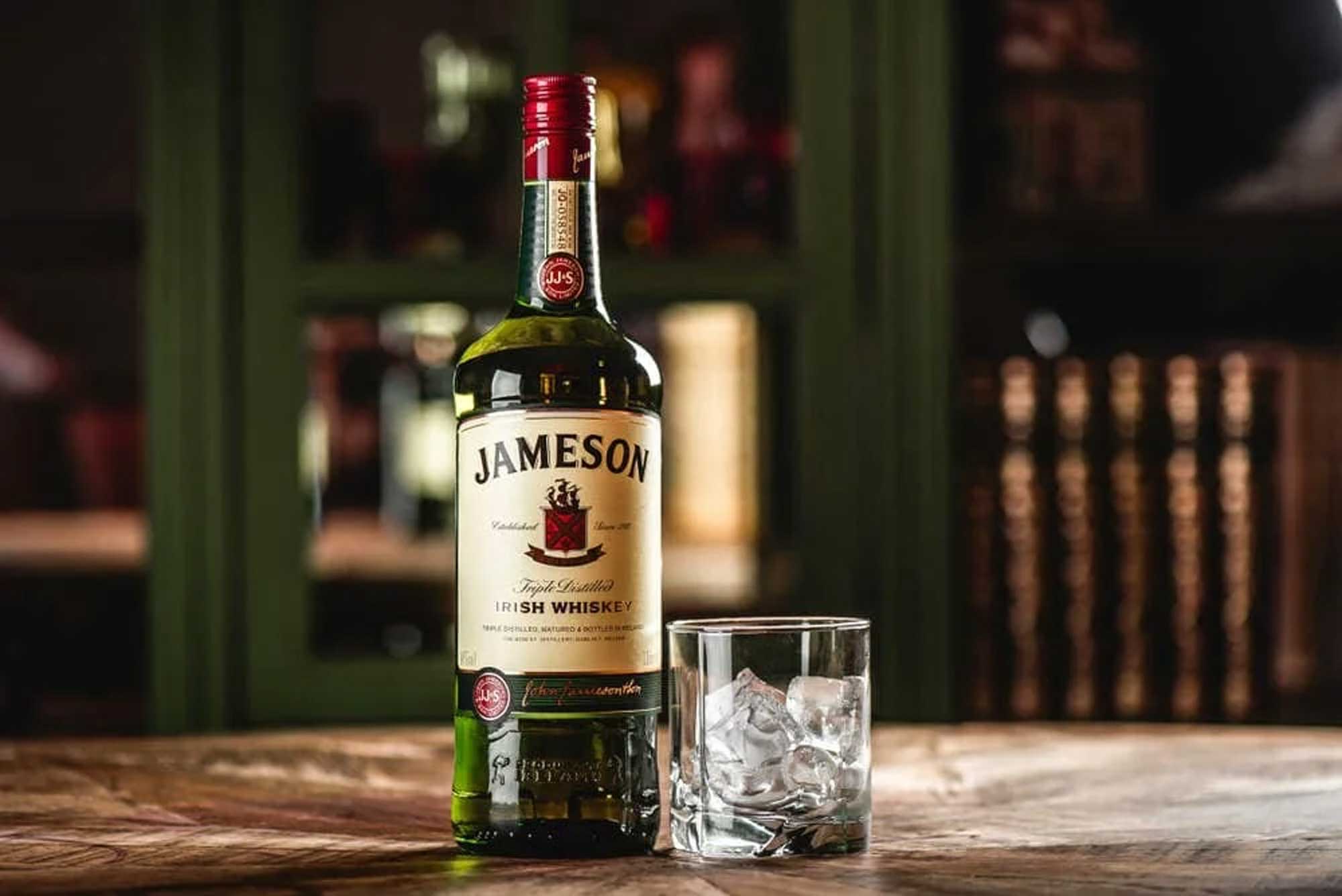
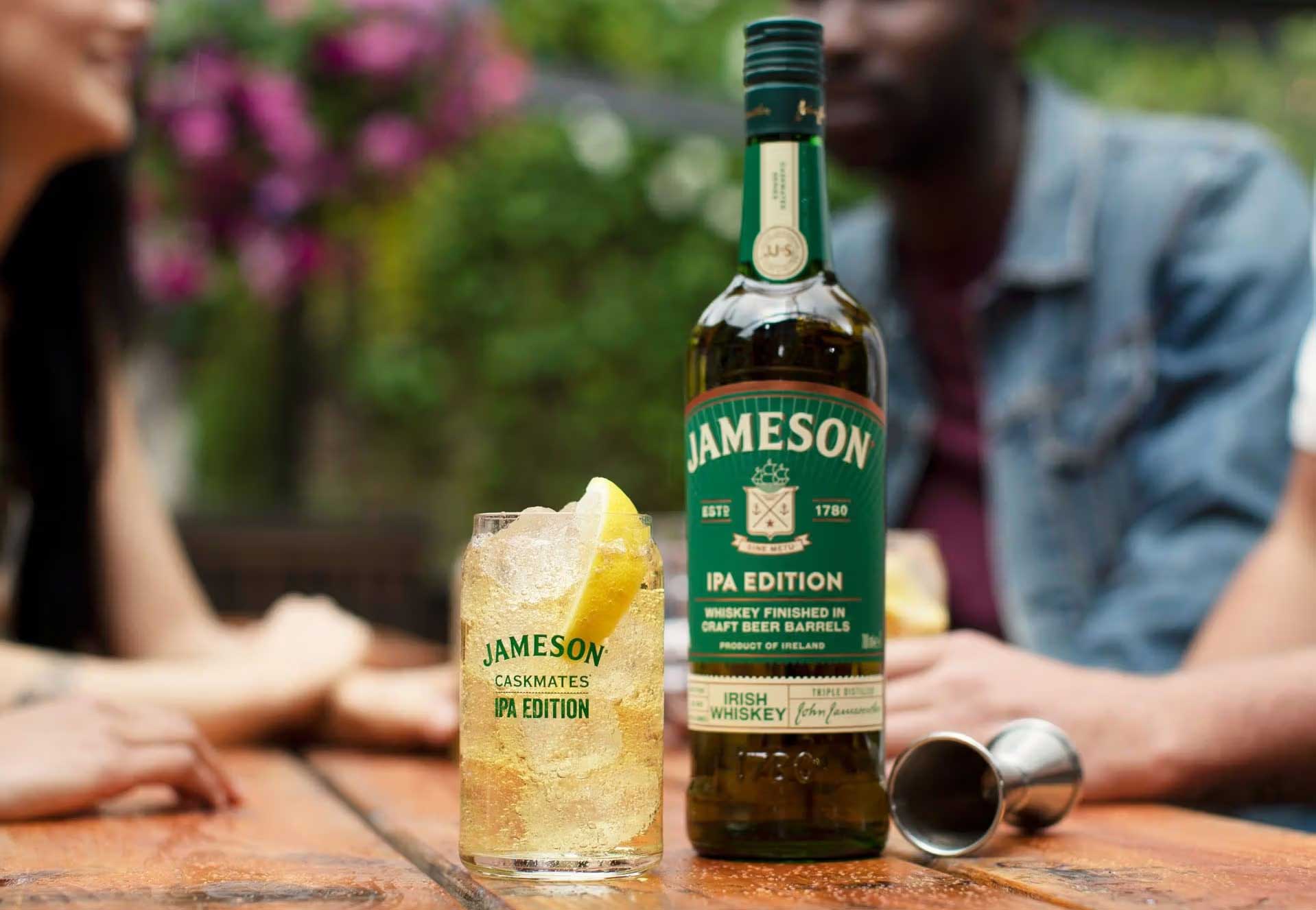
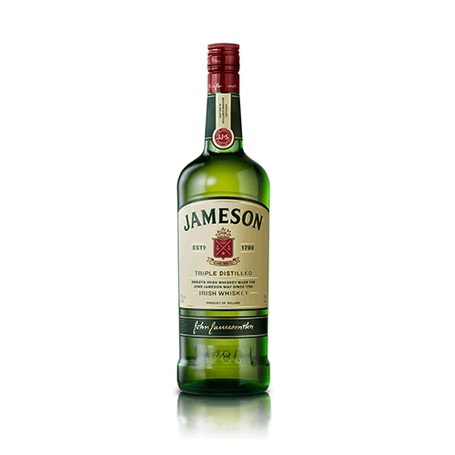
Jameson is where most people begin with Irish whiskey, and it remains a good place to begin. The flagship expression is triple-distilled, lighter and smoother than a pure pot still expression by design, and consistent in a way that has made it one of the world's most reliable daily spirits.
At £34 for a litre, Jameson is excellent value for a well-made, broadly appealing Irish whiskey. The argument is not that it is unworthy of its reputation — it is that stopping at Jameson is like stopping at Glenfiddich 12yr and believing you understand the full range of what Scotch can be.
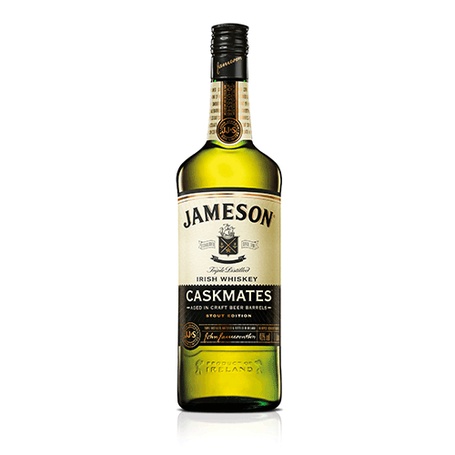
The Caskmates expression — finished in craft beer barrels — is the more interesting Jameson entry: a malt and hop character added to the familiar house style, producing something with more texture than the standard expression. At £38 it is a useful demonstration of the range's development beyond the standard blended style.
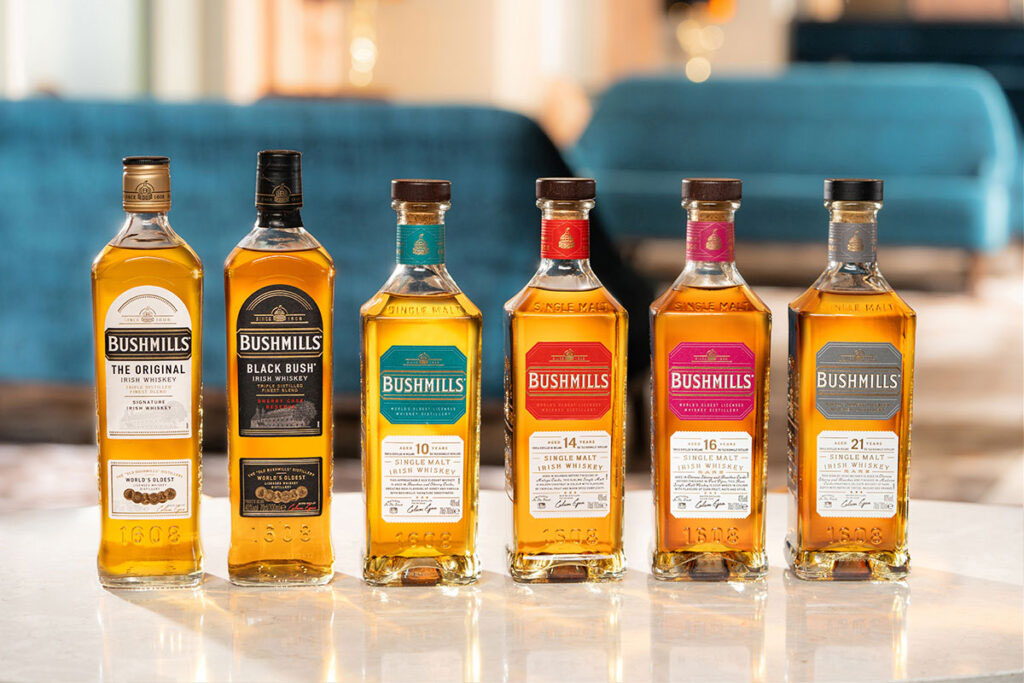
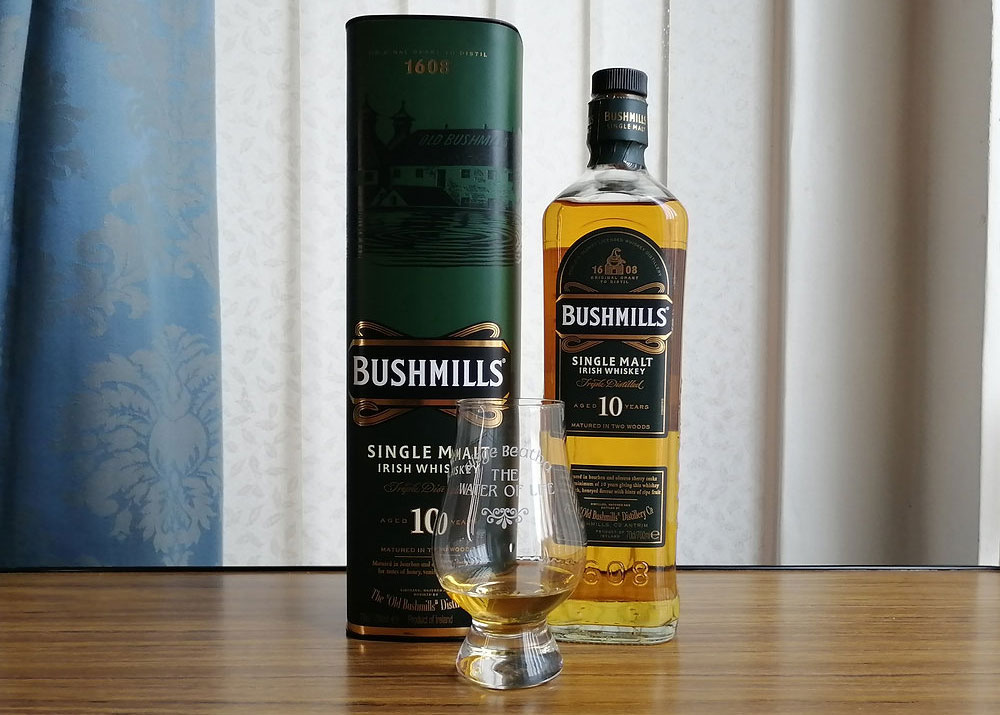
Bushmills in County Antrim holds a Royal Charter dating to 1608 — the oldest licensed whiskey distillery in the world by its own reckoning. The Bushmills style is primarily single malt rather than pot still, triple-distilled to a lighter and more delicate profile, and offers a distinct character from the Midleton pot still tradition.
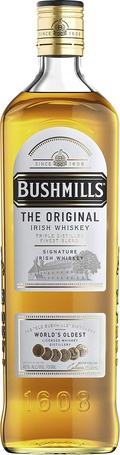
The standard Bushmills Original is the reliable entry to the range — a blended Irish whiskey of clean, accessible character. At £32 for a litre it is the best-value introduction to the Bushmills style. The 10 Year Old Single Malt is the expression where the house's character most clearly reveals itself.
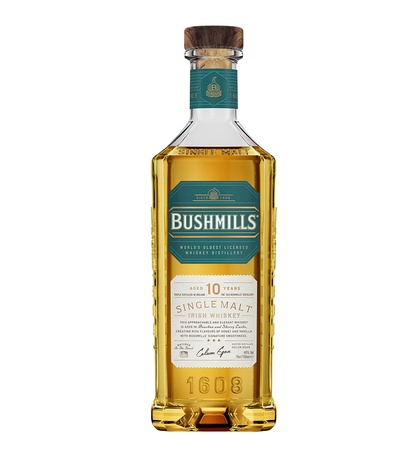
The Bushmills 10yr Single Malt is where the northern tradition distinguishes itself from the Midleton pot still style: lighter, more floral, with a subtle honey character and a gentler finish. Triple distillation produces a clean, precise spirit that rewards careful attention. A genuinely different Irish whiskey experience from the Redbreast and Midleton expressions, and one that demonstrates the breadth of the category.
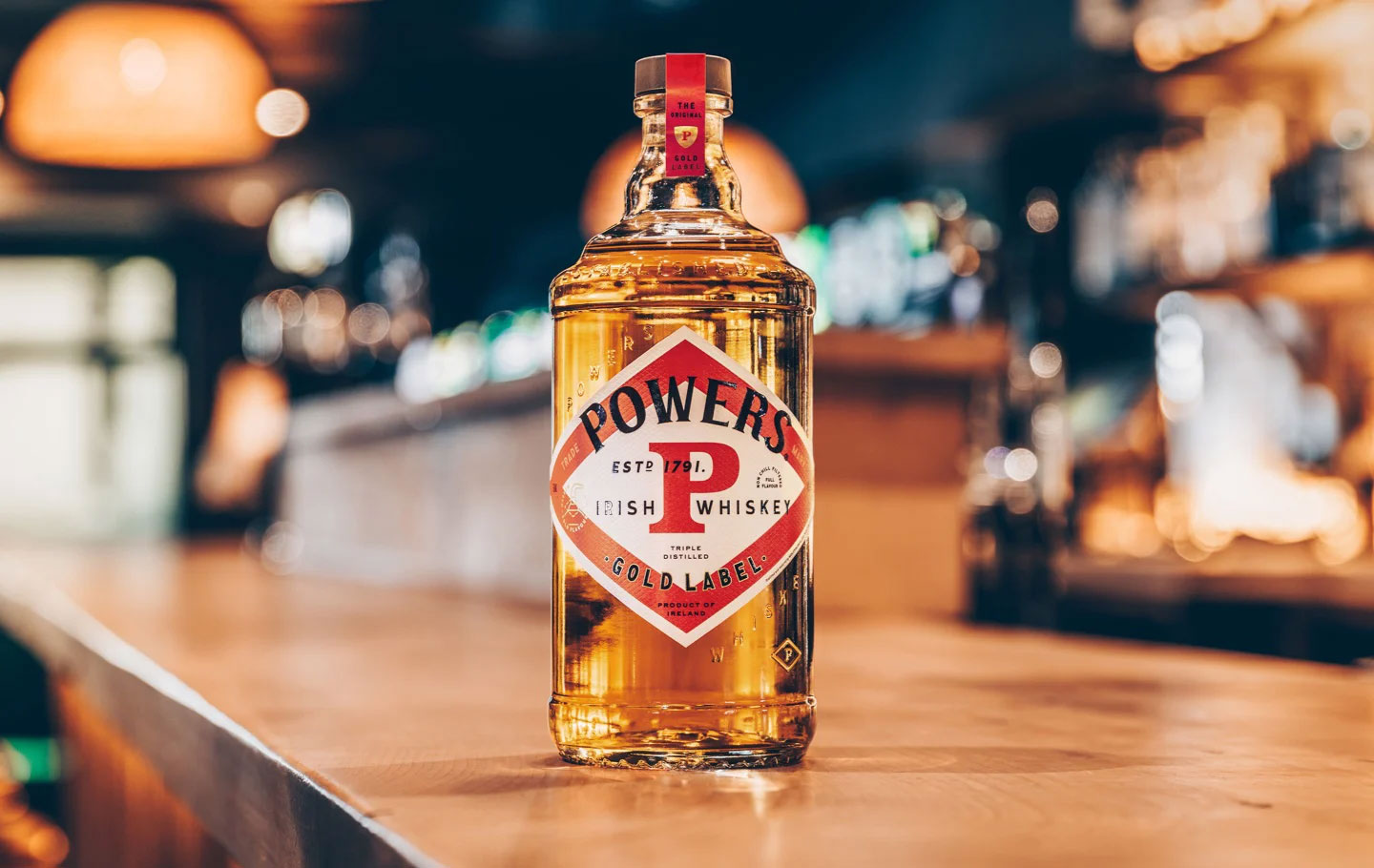
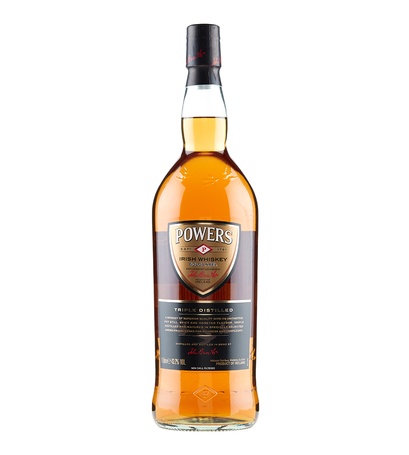
Powers Gold is the house whiskey of Dublin in the same way that certain blends define their cities — present in every pub, ordered without ceremony, carrying a faint pot still character that distinguishes it from the lighter Jameson style. At £34 for a litre it is the most approachable route into the pot still tradition, and a whiskey that rewards a second look from anyone who has been ordering it without thinking about it.
Irish whiskey's commercial revival has been followed by a quality revival that is still accelerating. Alongside the established names, a generation of new distilleries — Teeling, Walsh, Glendalough, Waterford — has been producing whiskey since the mid-2010s that is only now reaching the age statements required for serious single malt and pot still expressions. The category in 2026 is at the early stages of the same quality transformation that Scotch underwent in the 1980s. The Midleton Rare at one end and Jameson at the other are not the limits of what Irish whiskey is. They are the poles of a category that is considerably more interesting than its international reputation has yet been updated to reflect.