Departments
 Departments
Departments
Departments

 SlowSip

New to Slowsip? Create Account
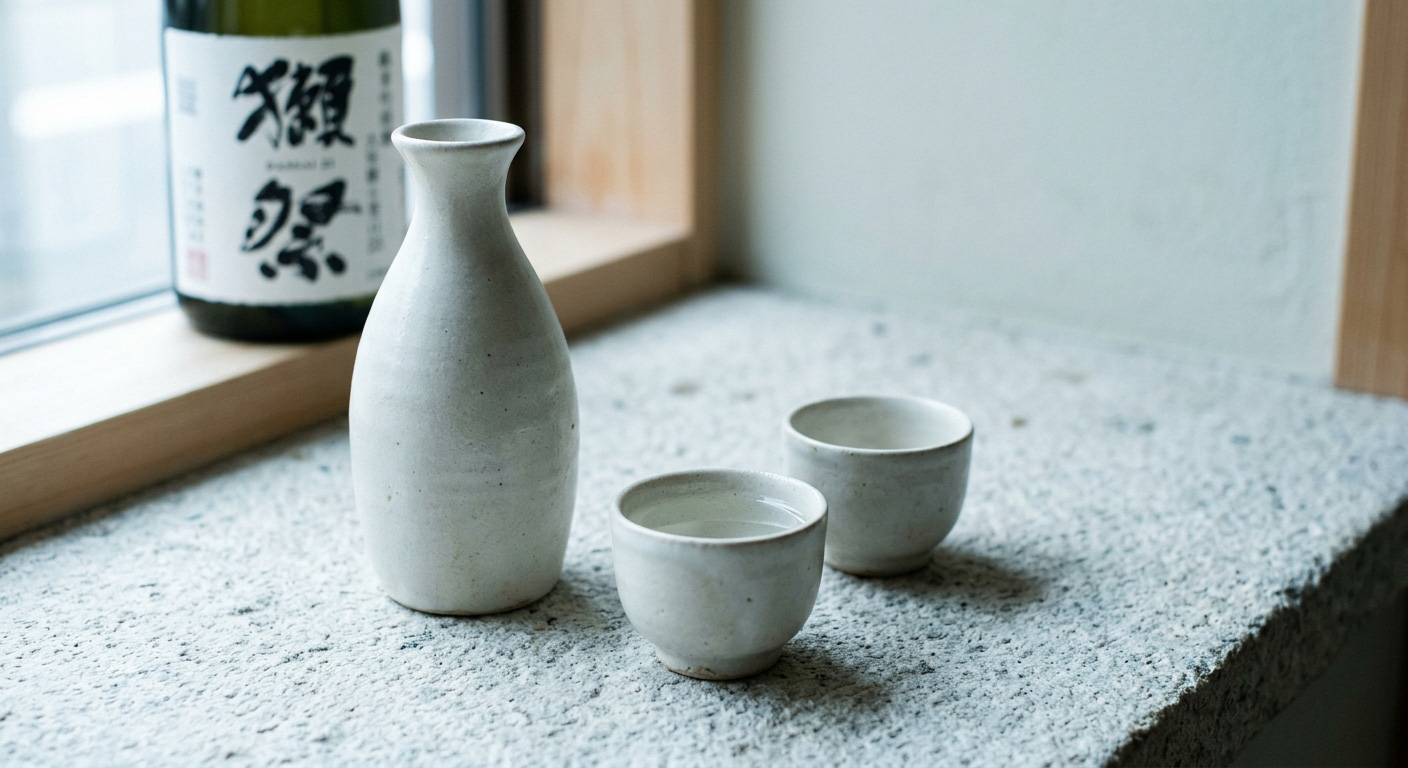
I am going to tell you where I was with sake before I changed my mind, because I think it is probably where most people reading this are right now. I knew it was Japanese. I knew it was made from rice. I knew that if you ordered it in a restaurant it arrived warm in a small ceramic flask that felt appropriate to the setting and tasted of very little in particular. I associated it, if I am honest, with the end of a long evening at a conveyor belt sushi place rather than with anything I would choose to drink carefully. I had placed it, without really examining the evidence, in the same mental category as house sake and communal toasts: culturally interesting, personally optional.
I held this view for longer than I should have, and I held it because I had never been given a reason to revise it. The sake I had encountered was warm, undistinguished, and anonymous. The problem was that I had confused the category with its worst examples — which is an error I would never make with whisky or wine, but made cheerfully and repeatedly with sake because I had never paid enough attention to notice.
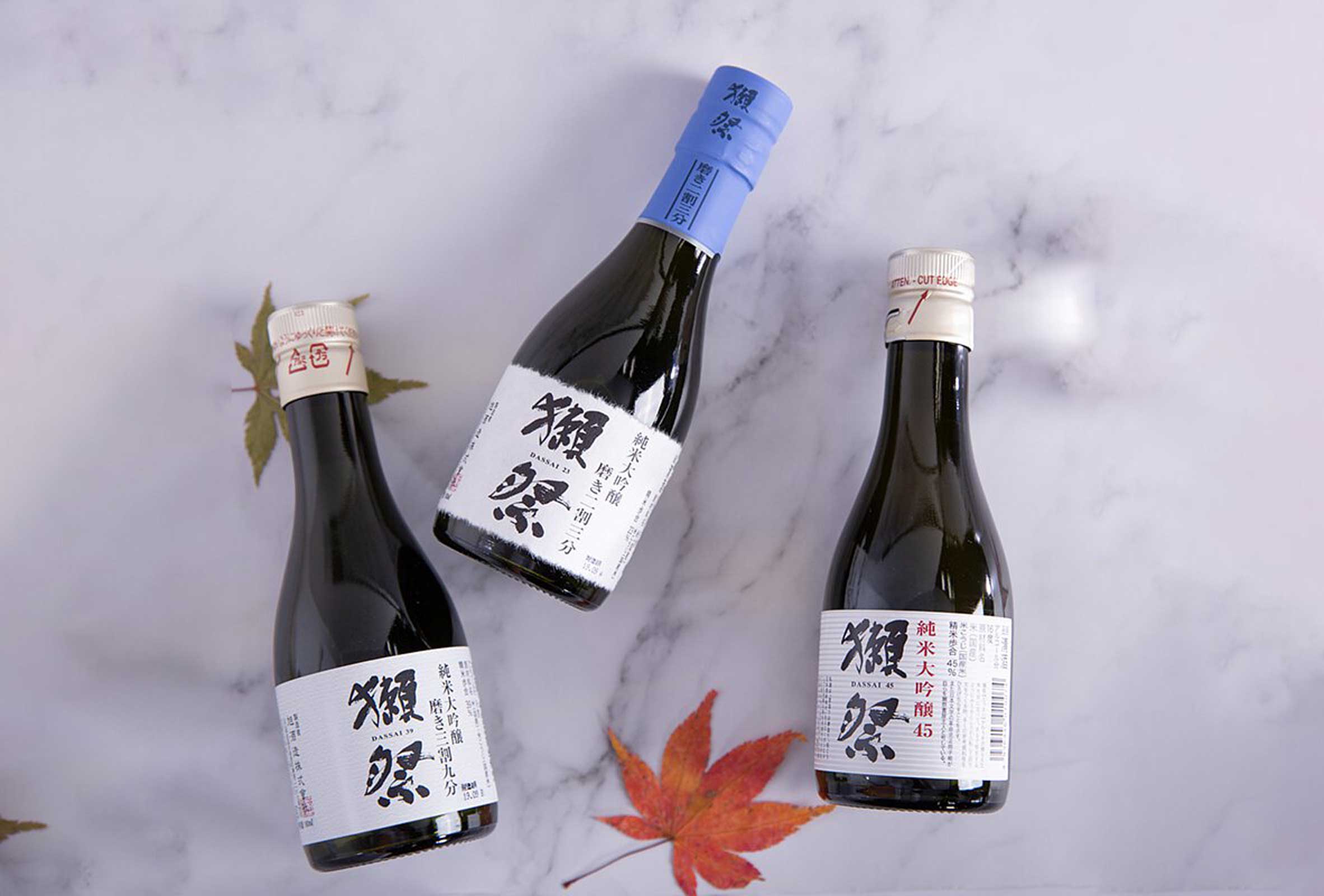
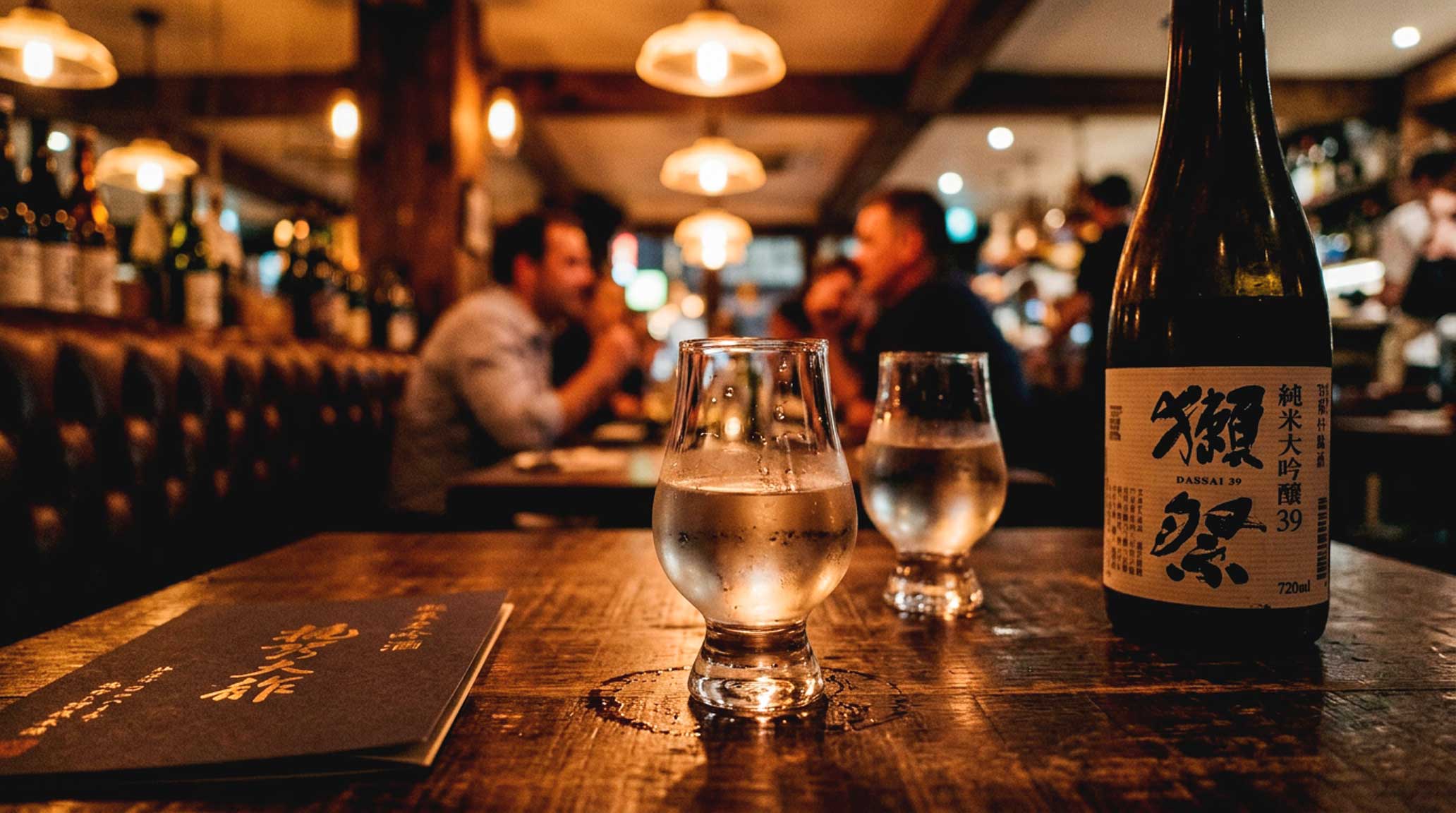
The warm sake convention is not wrong in itself. Certain lower-grade sakes genuinely benefit from gentle heat, which softens their rougher edges and makes them more convivial. But anything at Ginjo grade or above — anything where the rice has been polished past 60%, where the brewing has been done at low temperature to preserve aromatic compounds — should be served cold. Between 5°C and 10°C. In a wine glass or a tulip-shaped vessel that allows the nose to develop. Not in an ochoko, which is charming but functionally a shot glass. The serving temperature changes everything. I had been evaluating premium sake on the basis of how ordinary sake tastes, which is like assessing Burgundy on the basis of how house red in a carafe tastes.
The second thing I was getting wrong was the glass. The ochoko concentrates nothing. A wine glass or a proper sake glass allows the aromatic compounds — which, in a Daiginjo-grade sake, can include melon, pear, white flower, and lychee — to develop and reach the nose before the liquid reaches the palate. These are not small differences. They are the difference between a drink that tastes of nothing much and one that tastes of something specific and interesting.
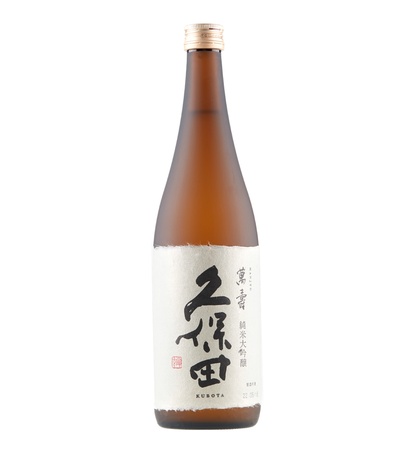
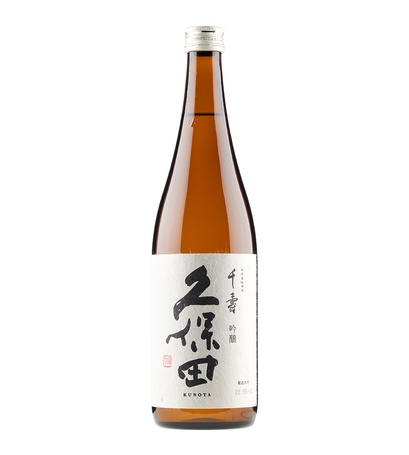
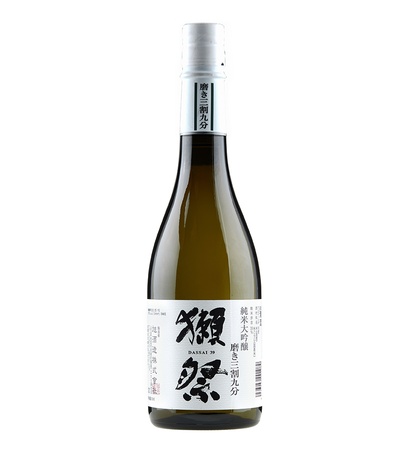
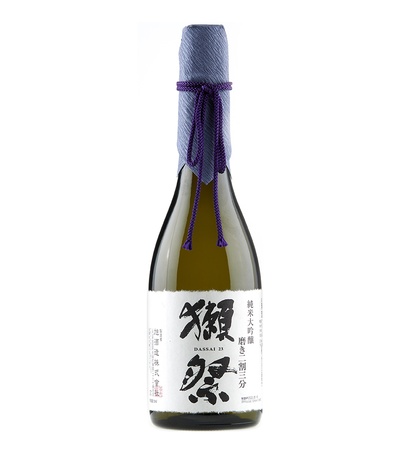
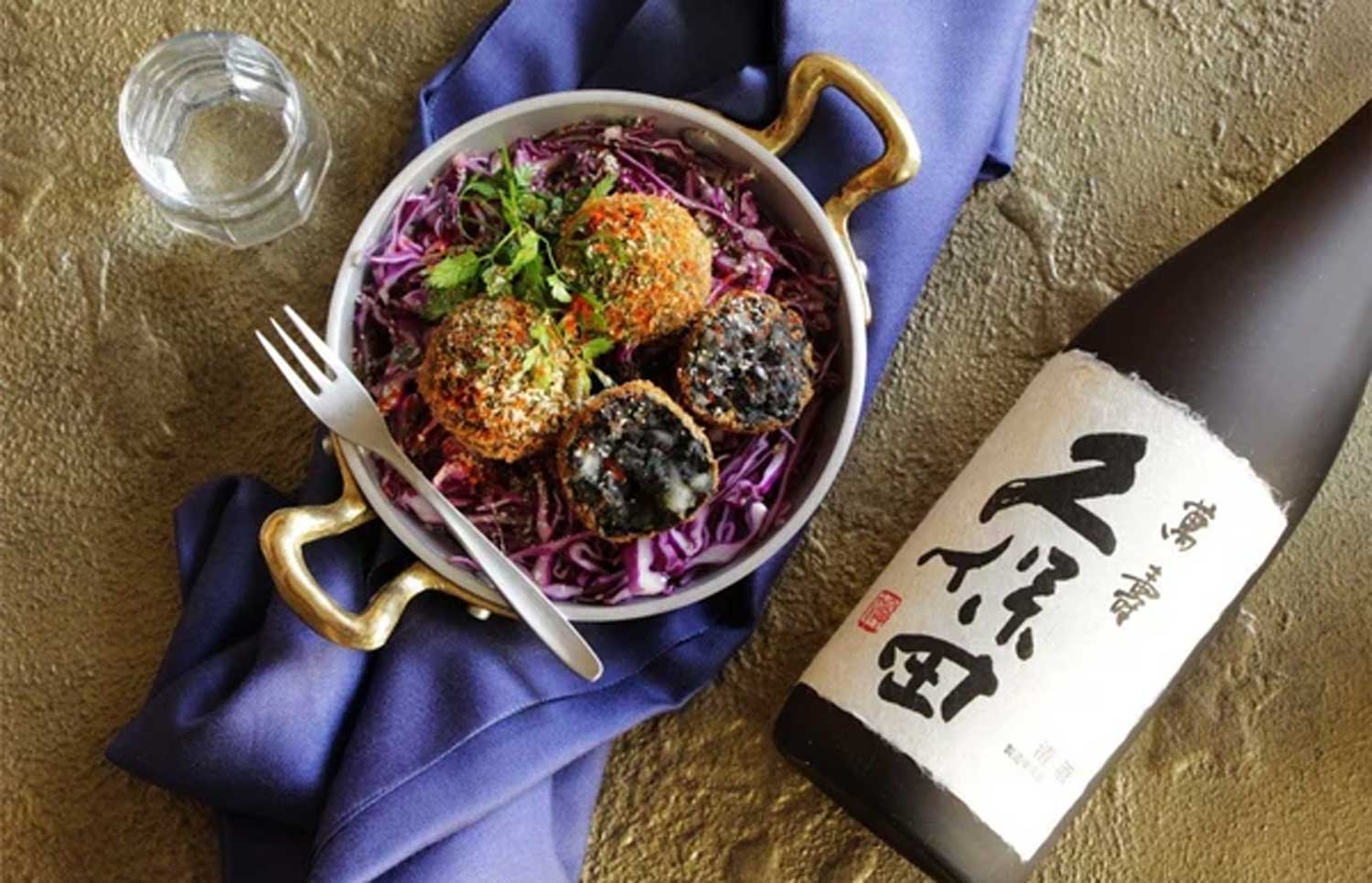
After the Dassai moment, Kubota Manju is the bottle that consolidated the argument. It comes from Niigata Prefecture on Japan's northern coast — the region most associated with clean, dry, restrained sake — and the Manju is the house's Junmai Daiginjo: rice polished to under 50%, pure rice brewing, no added alcohol. The style is the opposite of the Dassai — where Dassai 39 is floral and expressive, Kubota Manju is precise, almost austere, with a dryness and mineral quality that makes it the most food-compatible sake I have found. At £75 it is a serious purchase. The first time I had it with a piece of carefully grilled white fish I understood, finally, what sake was for.
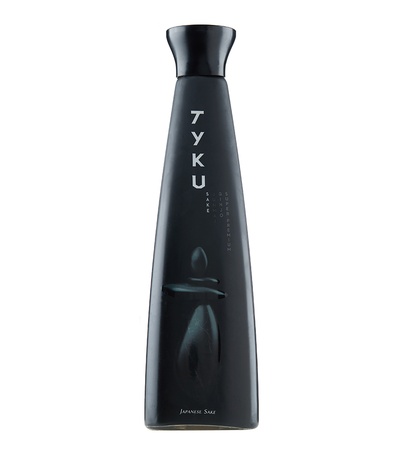
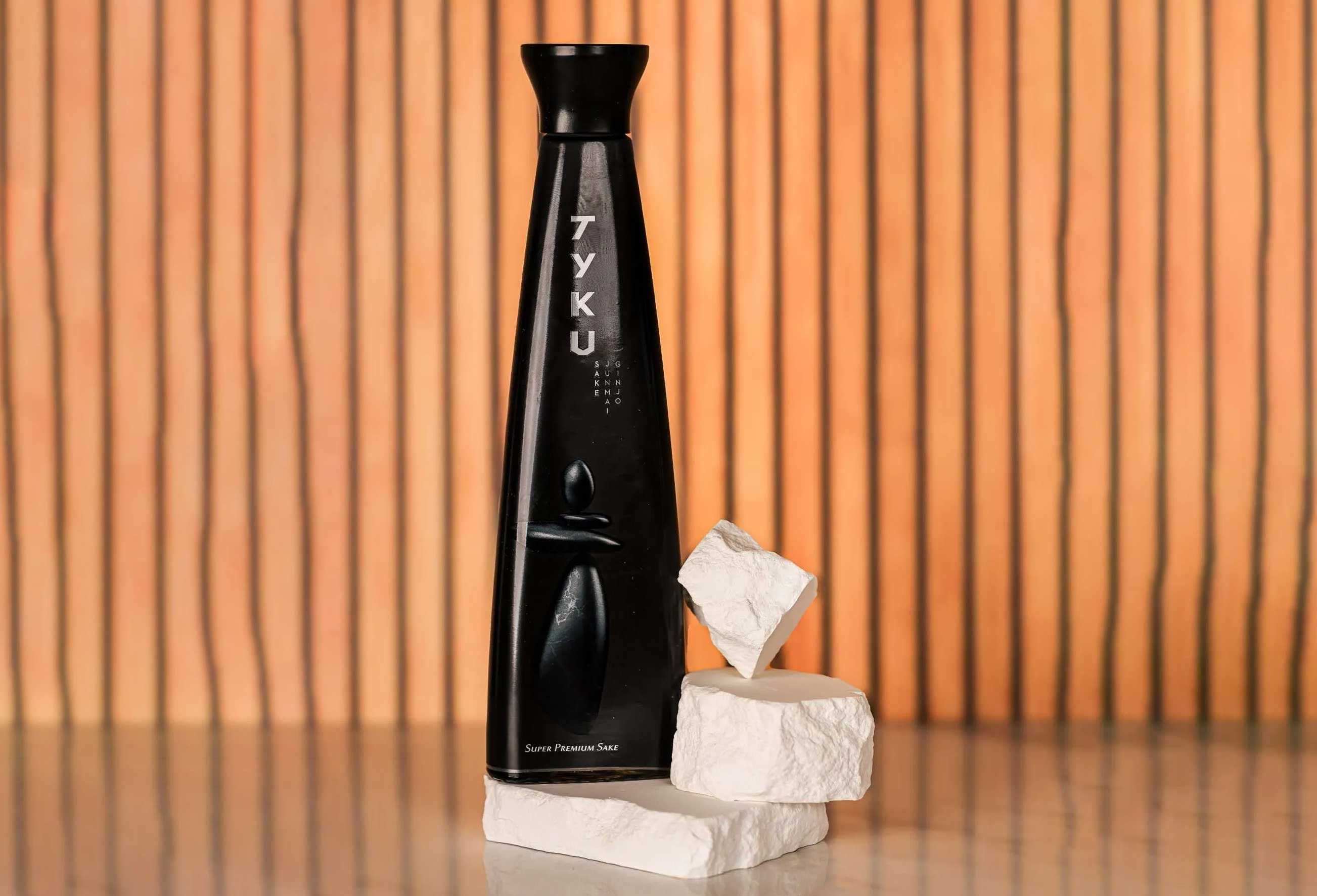
The Tyku Black is a Junmai Daiginjo — the top grade — at a price point (£28) that makes it one of the more useful bottles for demonstrating that premium sake classification does not require premium pricing. The style sits between the expressive Dassai and the austere Kubota: clean, mild sweetness, a gentle finish. A bottle for someone who wants to understand the category without the intimidation of a £75 commitment. I have opened it alongside everything from sashimi to mushroom risotto and it has held its position in both directions.
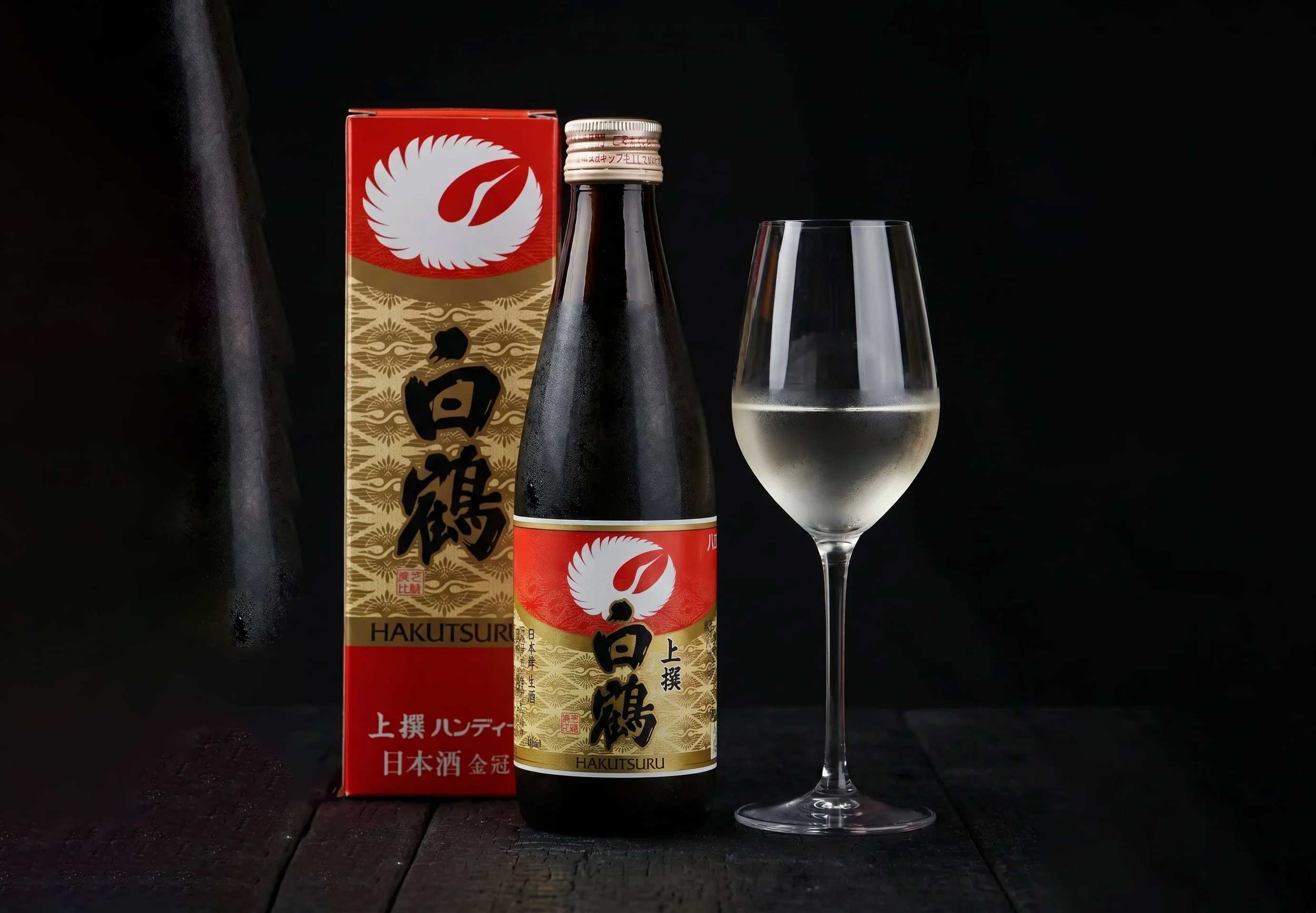
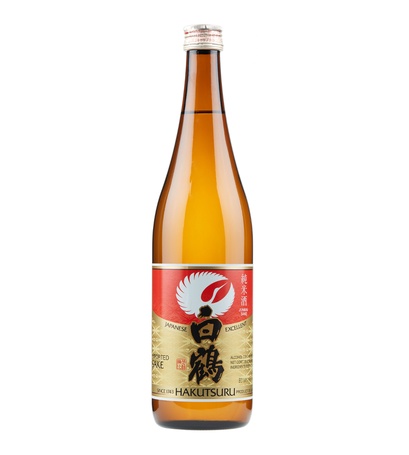
Hakutsuru is one of Japan's oldest sake breweries — founded in 1743 in the Nada region of Hyogo, the premium sake-producing area that has been making serious rice wine for three centuries. The standard 72cl expression is the entry level of a serious producer: clean, well-made, the category's essential character without the complexity of the premium expressions. At £13 it is the most affordable honest sake on the SlowSip site and the right bottle for someone who is not yet sure they want to invest further. I am no longer that person. But I was, once.
The case for sake in the UK is not about exoticism or cultural credentials. It is the same case that applies to any category that has been misrepresented by its worst examples: that the best expressions are better than most people who haven't tried them assume, that the barrier to entry is lower than it looks, and that the reward for paying attention is proportionate to the effort. Julian Mercer's full guide to the category — classification, serving, pairing — is on the site if you want the complete picture. The short version is: cold, wine glass, Dassai 39, ideally alongside something from the sea. That's where I started. I haven't looked back.